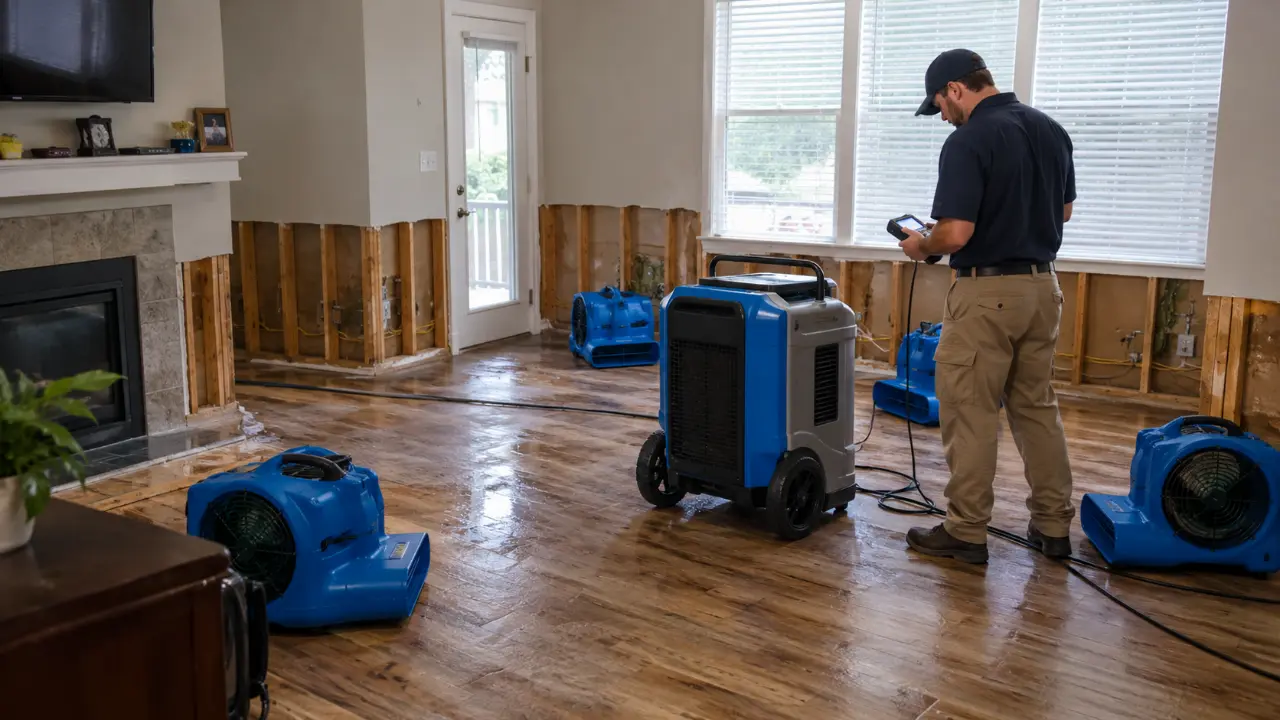
Contain the water, protect your building, reopen sooner.
Commercial Water Mitigation in Milwaukee That Limits Downtime
Commercial Water Mitigation in Milwaukee helps businesses stop active leaks, remove standing water, and dry affected building materials before damage spreads. Milwaukee Water Pros serves offices, retail spaces, restaurants, warehouses, and property managers facing burst pipes, stormwater intrusion, or sewage backup. We map the wet area, protect unaffected rooms, and coordinate extraction and drying around your operations. If water is on the floor now, call (414) 567-3006.
Live dispatcherUpfront optionsBacked workmanship
What's included
What Commercial Mitigation Covers
Commercial mitigation covers the immediate work needed to control water damage: assessment, extraction, moisture mapping, drying equipment, monitoring, and job documentation. We identify materials that need removal and explain the reason. Reconstruction, plumbing repairs, and specialty content restoration are separate work phases; we coordinate the mitigation handoff so you can plan repairs without confusing them with water removal.
Water Source Assessment
We identify where water entered, whether it is still active, and which areas are affected. If a plumbing failure is continuing, we coordinate source control with your facilities contact or plumber. Establishing the source and water condition helps determine safe handling and the right cleanup sequence.
Extraction and Moisture Mapping
We remove standing water and check nearby floors, walls, and building materials for moisture. Measurements create a baseline for drying and help locate hidden wet areas beyond the visible spill. You get a clear understanding of the affected footprint before equipment is placed.
Drying and Monitoring
We place air movers and commercial dehumidifiers to dry salvageable structural materials, then recheck readings during the job. Equipment runs according to observed conditions, not a fixed guess. Monitoring helps identify when drying is progressing and when additional investigation is necessary.
Work-Zone Protection
We organize equipment and access to reduce disruption to unaffected business areas. Where appropriate, polyethylene containment sheeting separates the work zone, while clear instructions help staff avoid wet or restricted rooms. We explain any safety limits before your employees return to the affected space.
Progress Documentation
We record affected areas, material conditions, equipment placement, and moisture readings throughout mitigation. This gives you a practical job history to share with your property manager or insurer. The documentation also supports the handoff to repair trades once the mitigation phase is complete.
Service overview
Commercial Water Mitigation in Milwaukee
Commercial Water Mitigation in Milwaukee is a building recovery service that removes water and controls moisture after a commercial property leak or flood. We identify the water source, inspect affected materials, extract standing water, and set up drying equipment where readings show moisture. A moisture meter and thermal imaging camera help locate hidden wet areas behind walls and beneath flooring. We document affected rooms and monitor progress so you can make practical decisions about access, contents, and repairs instead of guessing from surface appearance.
Milwaukee businesses call us after frozen or burst pipes, basement flooding, sump pump failure, appliance leaks, roof leak water intrusion, and stormwater intrusion. Older commercial buildings, shared walls, and finished basements can hide moisture beyond the visible spill. Our Milwaukee commercial water damage restoration process addresses the source and affected materials together. For urgent leaks, 24/7 commercial water mitigation in Milwaukee WI starts with a call, clear access to the affected area, and steps to stop water safely.
How we workWe verify the cause, compare realistic options, and confirm the repair before we leave.
The service timeline
What to Expect During Mitigation
The process flexes to the condition, but these checkpoints keep decisions clear.
Secure the Site
Our first priority is safe access and stopping additional water entry. We identify active hazards, coordinate with your plumber or facilities contact when needed, and keep staff clear of wet electrical areas or contaminated water. The initial assessment often takes 30 to 90 minutes, depending on the building size and number of affected rooms.
Map Moisture
We inspect floors, walls, ceilings, and adjacent rooms, then use a moisture meter or thermal imaging camera to check for concealed moisture. Your site lead can point out the leak history and sensitive equipment. We mark the affected boundary and record baseline readings, giving the drying plan a measurable starting point.
Extract Standing Water
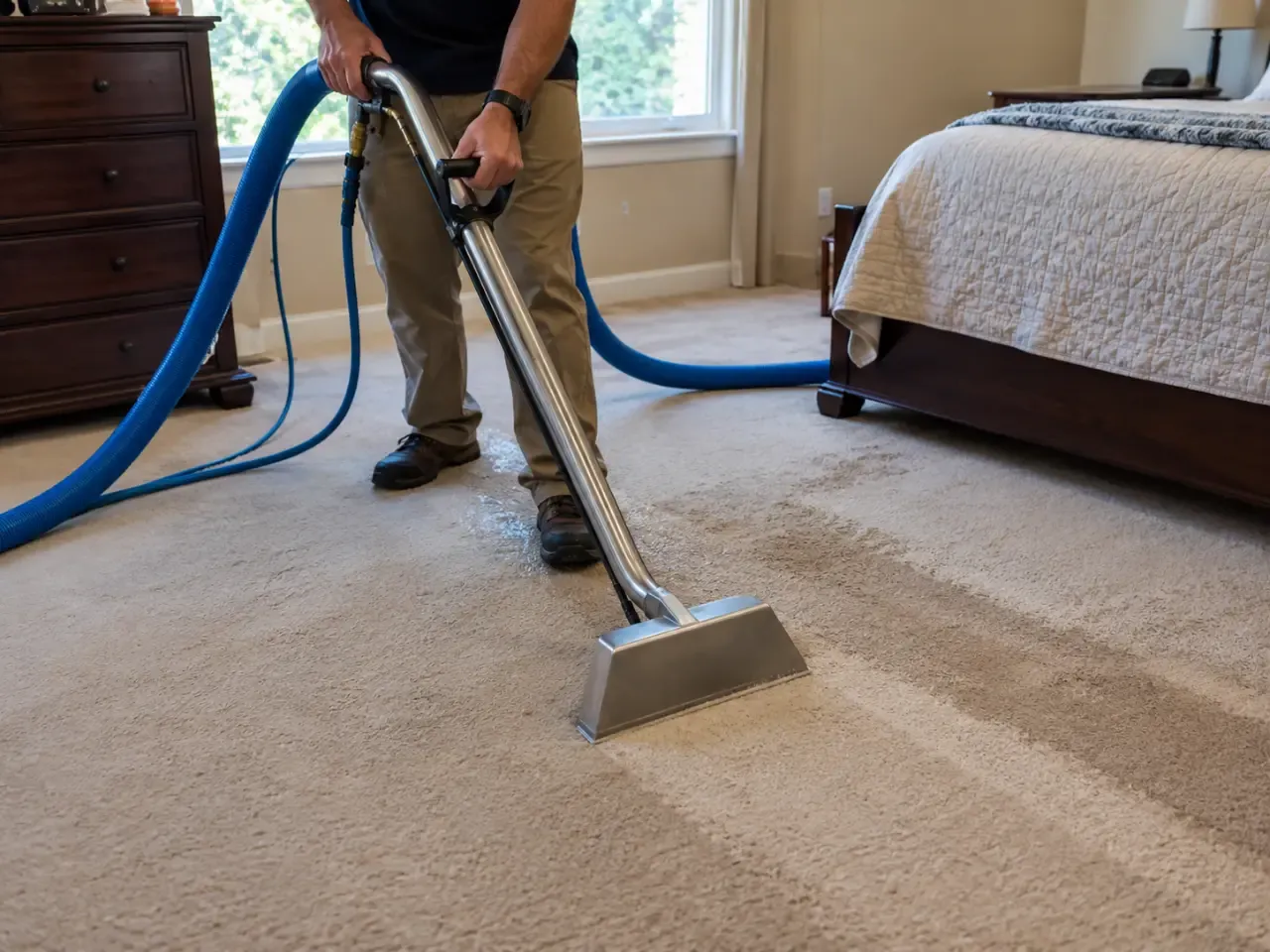
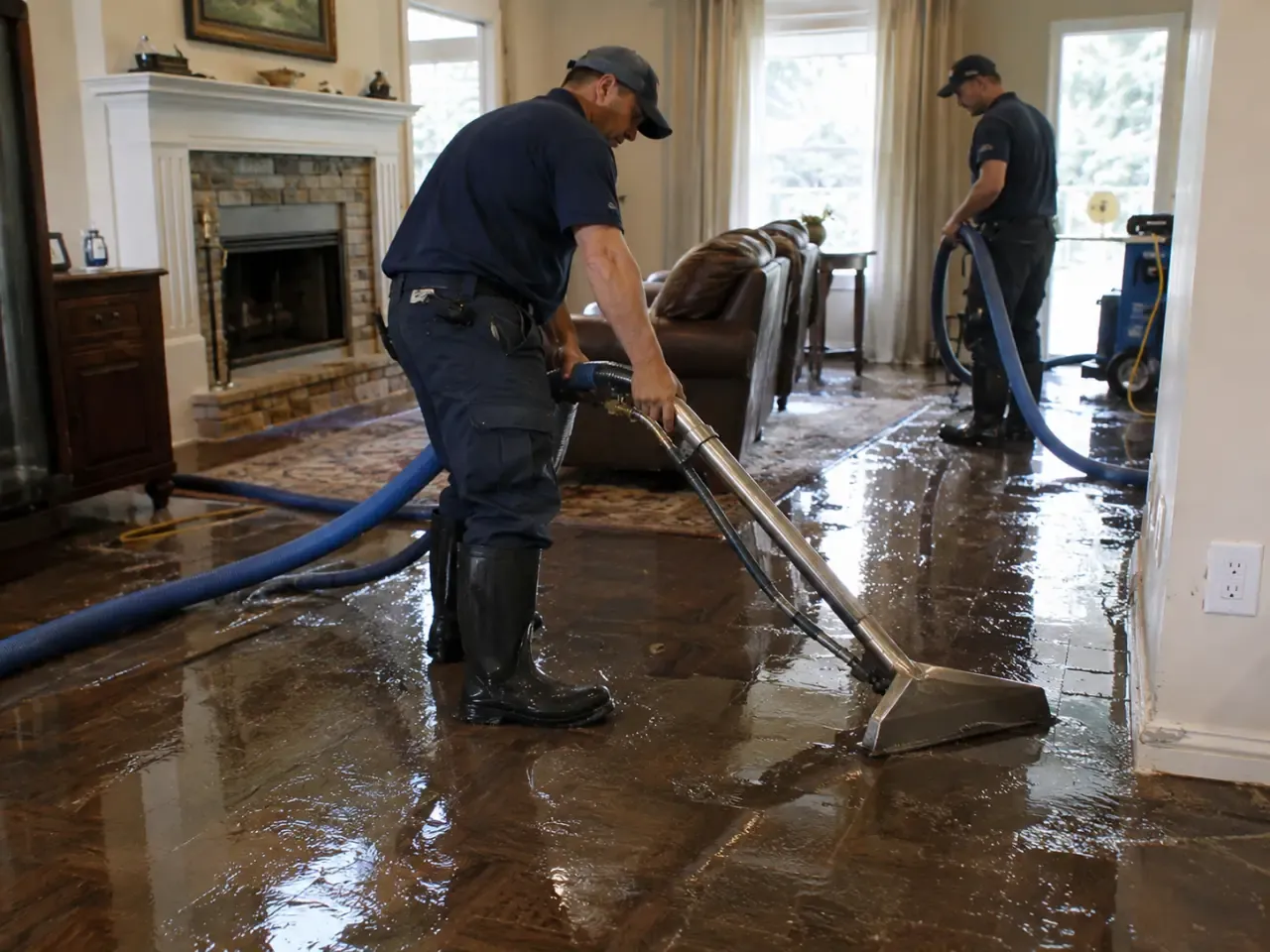
We remove pooled water with a truck-mounted water extraction unit, portable water extractor, or submersible sump pump suited to the volume and access. Extraction usually takes hours, not days, when the source is controlled and access is clear. We protect nearby contents and route hoses to avoid blocking essential paths.
Set Drying Equipment
We position air movers and commercial dehumidifiers to circulate air through wet assemblies without spreading debris. If the work zone needs separation, polyethylene containment sheeting limits movement between affected and occupied areas. Equipment placement depends on room size, material type, and readings; we adjust it as the building responds.
Verify and Handoff
We check moisture readings at least daily while active drying is underway, document changes, and remove equipment when target conditions are reached. If wet drywall, insulation, or carpet padding cannot be dried in place, we identify the affected material for controlled removal. You receive the status and next repair steps before we clear the site.
Tools & methods
Equipment and Drying Methods
Purpose-built equipment, used by trained technicians, so the job is done accurately the first time.
Truck-Mounted Water Extraction Unit
We use high-capacity extraction for accessible commercial floors and larger water volumes. Removing standing water early reduces the amount left for drying equipment to manage and helps prevent continued migration into adjacent materials.
Portable Water Extractor
Portable extraction equipment reaches upper floors, restricted loading areas, and rooms where truck-mounted hoses are impractical. We select it for access and floor conditions, then follow extraction with moisture readings.
Moisture Meter and Thermal Imaging Camera
A moisture meter records conditions in building materials, while a thermal imaging camera helps identify temperature patterns that warrant closer inspection. Together, they guide checks behind visible stains and help track drying progress.
Commercial Dehumidifier and Air Mover
These machines manage air circulation and moisture removal during structural drying. We position them according to room size, material type, and readings, then adjust the setup as wet areas respond.
Dri-Eaz and Phoenix Restoration Equipment
We use professional restoration equipment from brands such as Dri-Eaz and Phoenix Restoration Equipment where the job calls for suitable extraction or drying capacity. Equipment selection follows site conditions, not brand alone.
Use cases
When to Call a Mitigation Crew
These examples show how the service framework adapts rather than forcing every call through one repair.
Stormwater in a Retail Basement
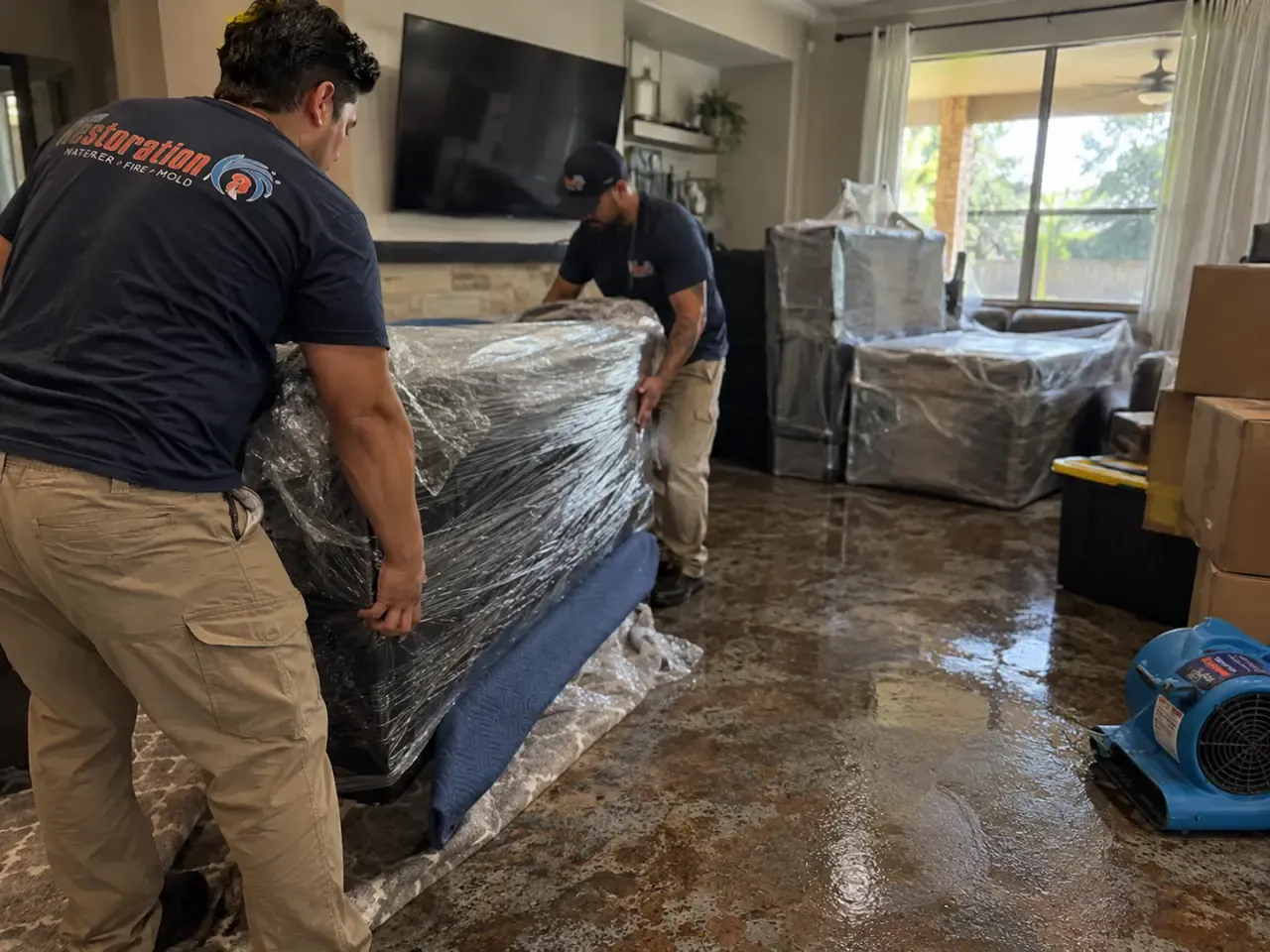
A heavy rain event pushed water into a lower-level stock area where cartons and shelving sat close to the floor. The sump pump had stopped, leaving pooled water near stored inventory and a utility corner. The owner could not tell which materials were salvageable or whether water had reached the wall base. → We pumped and extracted the standing water, inspected the perimeter, and separated wet contents from dry stock. The team checked lower wall materials and recorded drying progress through scheduled visits. Once affected materials reached appropriate conditions, the owner had a clear list of items for repair or replacement and a usable route through the storage area.
Sewage Backup in Staff Area
A drain backup left contaminated water across a staff hallway and adjacent break area. Employees had walked close to the affected floor before realizing the source. Porous floor materials and contents were at risk, and the manager needed to keep the route closed while planning cleanup around shift changes. → We isolated the area, identified affected porous materials for removal, and cleaned surfaces using appropriate procedures. The crew then assessed remaining materials for drying and documented the work boundary. Staff received clear instructions about restricted access, and the manager could plan the next shift around the areas that remained closed.
Problems we solve
Stop Common Commercial Water Losses
Milwaukee businesses face water losses that start in a ceiling, utility room, basement, or shared wall and then move into occupied space. We contain the source, remove water, and check where moisture traveled. Acting early helps limit damage to stock, equipment, finishes, and the building structure.
A frozen pipe bursts overnight above an active office suite
We help stop the spread by coordinating source control, isolating the affected suite, and extracting pooled water. Our technicians inspect the ceiling and adjoining wall areas for concealed moisture, then set drying equipment based on readings. We document damaged finishes and explain which areas can remain accessible.
A sump pump fails and floods a Milwaukee commercial basement
We remove water with pumping and extraction equipment suited to the depth and access, then inspect the perimeter and lower wall assemblies. We separate affected contents from dry areas and monitor structural materials. If the water is contaminated, we restrict access and adjust cleanup procedures.
Stormwater enters a storefront through a roof or loading-area leak
We identify the affected footprint, protect contents that can be moved, and extract water from floors and accessible assemblies. Our team checks nearby ceiling and wall materials rather than treating only the drip point. Once the source is controlled, we dry and track conditions to prepare for repairs.
Sewage backup reaches a shared hallway or staff area
We isolate the contaminated zone, remove affected materials as required, and clean surfaces using appropriate procedures. Staff should avoid the water and keep the route closed until cleanup is complete. We document the affected boundary and coordinate drying after contaminated materials are addressed.
Pricing process
Commercial Mitigation Pricing
$2,000-$10,000 for many contained commercial losses; extensive or contaminated events can exceed $25,000
Water volume and area
A small utility-room leak takes less extraction time and equipment than water across several suites or a warehouse floor. More affected square footage also means more inspection points, longer setup, and additional monitoring visits.
Water contamination
Clean supply-line water and sewage backup require different handling. Contaminated water can require restricted access, protective procedures, and removal of porous materials that cannot be safely restored, increasing labor and disposal needs.
Material and contents
Tile over concrete responds differently from carpet, wood framing, or layered flooring. Saturated carpet padding, insulation, or drywall may need removal, while salvageable materials require targeted drying and repeated moisture checks.
How quickly can commercial water mitigation start in Milwaukee?
Emergency mitigation can begin as soon as a crew reaches the property; call immediately to start response coordination. Our 24/7 commercial water mitigation in Milwaukee WI begins with source control, safety checks, and extraction priorities. Arrival and work time depend on access, water volume, and active hazards. While waiting, keep people away from standing water near electrical equipment and contact your utility or plumber if needed.
Can a business stay open during water damage restoration?
Yes, a business can often remain open if the affected zone can be safely separated from customers and staff. We use work boundaries, equipment placement, and access planning to keep dry areas in service where conditions permit. Sewage backup, contaminated floodwater, electrical hazards, or extensive ceiling damage can require closing part or all of the site until the hazard is controlled.
What does commercial water mitigation include?
Commercial water mitigation includes assessment, water-source coordination, extraction, moisture mapping, drying equipment setup, monitoring, and documentation. We identify wet building materials and check hidden areas, then explain whether drying or removal is appropriate. Repairs such as replacing drywall or flooring follow mitigation when materials cannot be restored through drying; the sequence depends on contamination, material condition, and measured moisture.
Does commercial property insurance cover water damage cleanup?
Commercial property insurance may cover sudden, accidental water damage, but coverage depends on your policy, cause of loss, exclusions, and deductible. We document affected areas, visible conditions, and drying progress to help you communicate with your insurer. Gradual leaks, maintenance issues, groundwater, and flood events can be treated differently by policies, so report the loss promptly and review terms with your carrier.
Related services
Related Commercial Recovery Services
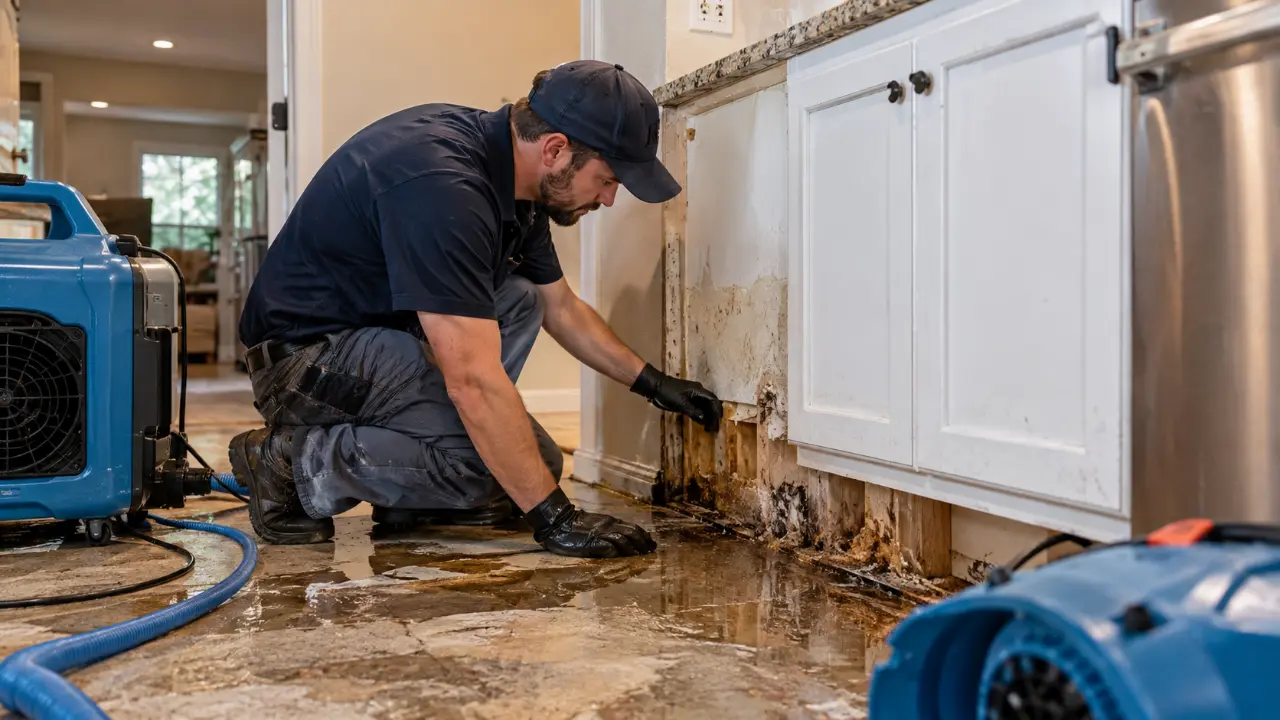
Emergency Water Extraction
Emergency extraction removes pooled water from business floors, lower levels, and storage areas before it spreads. We select truck-mounted or portable equipment based on access and volume, then transition to moisture checks and drying. This service is often the first phase of a broader commercial mitigation plan.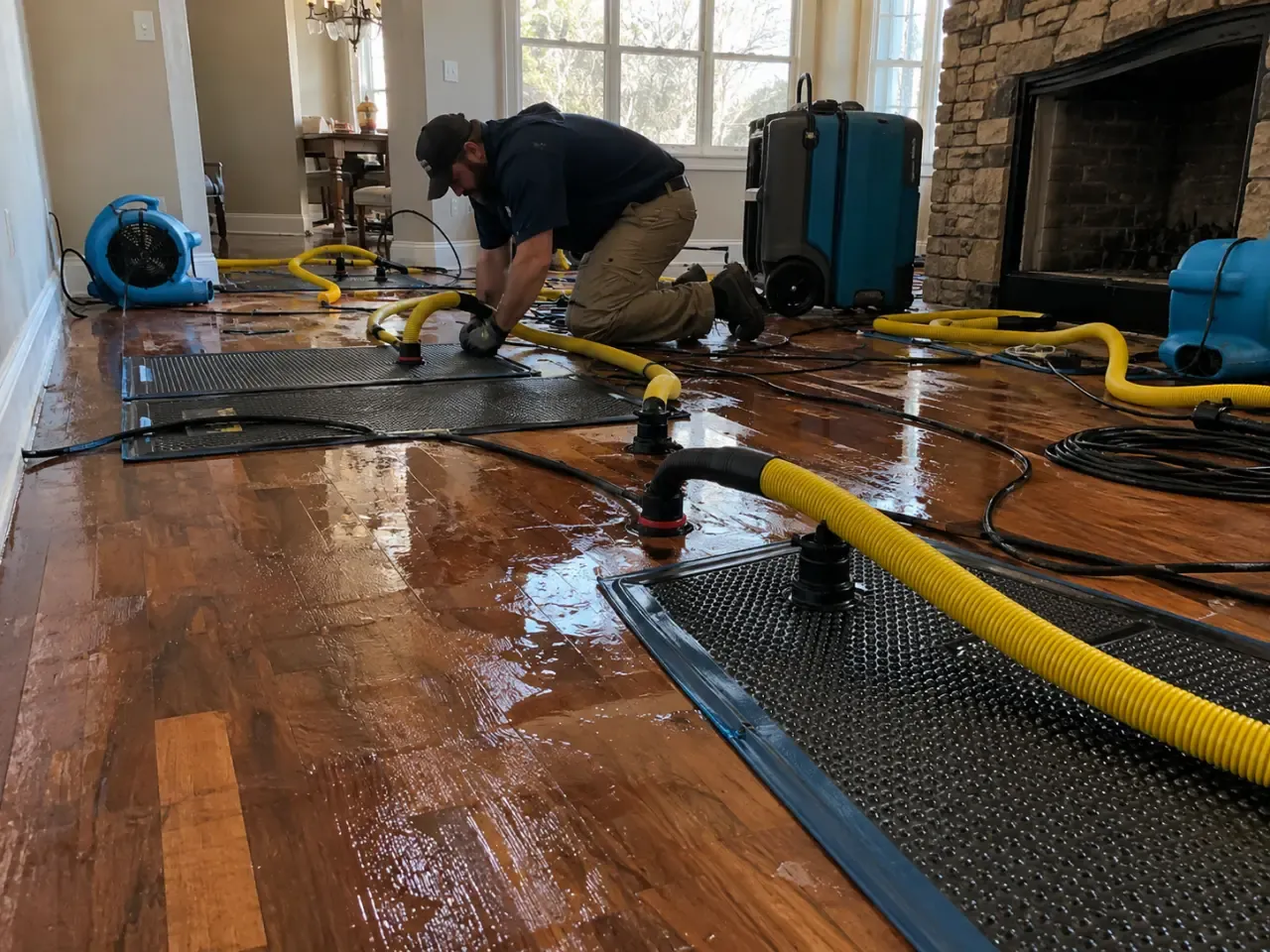
Water Damage Cleanup
Water Damage Cleanup addresses residue and affected surfaces after extraction. We remove damaged materials when required, clean salvageable areas, and prepare the space for drying or repairs. For Milwaukee businesses, separating cleanup from structural drying helps your team understand what is complete and what remains before reopening an area.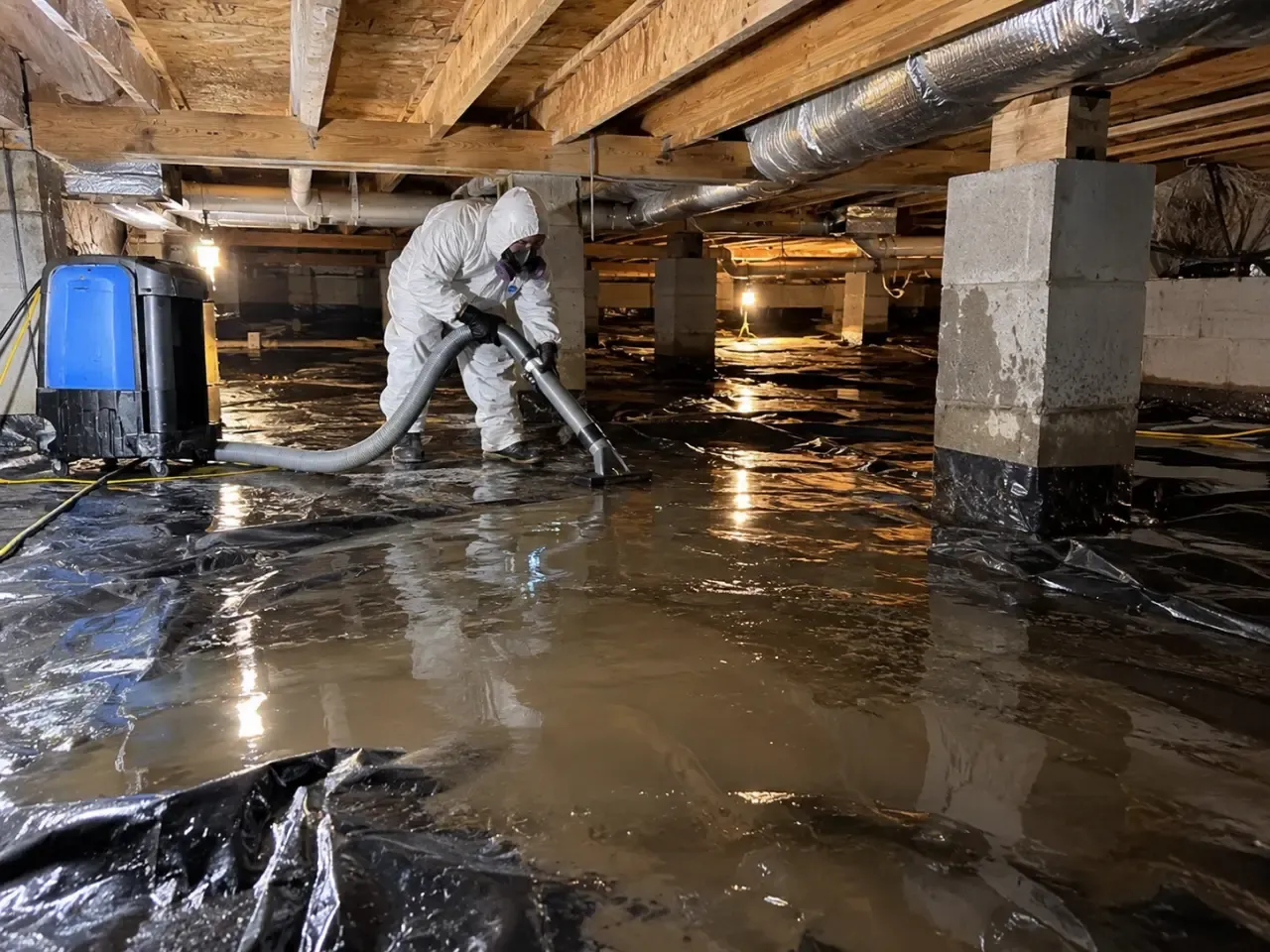
Basement Water Removal
Basement Water Removal tackles water entering below grade after heavy rain, a failed sump, or a broken line. We pump standing water, assess foundation-level materials, and check adjacent rooms for hidden moisture. Early removal helps protect stored inventory, mechanical areas, and finished lower-level offices.Ready when you are
Call for Commercial Water Mitigation in Milwaukee
Standing water spreads into floors and wall cavities while a business waits. Call Milwaukee Water Pros at (414) 567-3006 for 24/7 emergency response and a clear first-step plan. Our technicians are IICRC-trained.
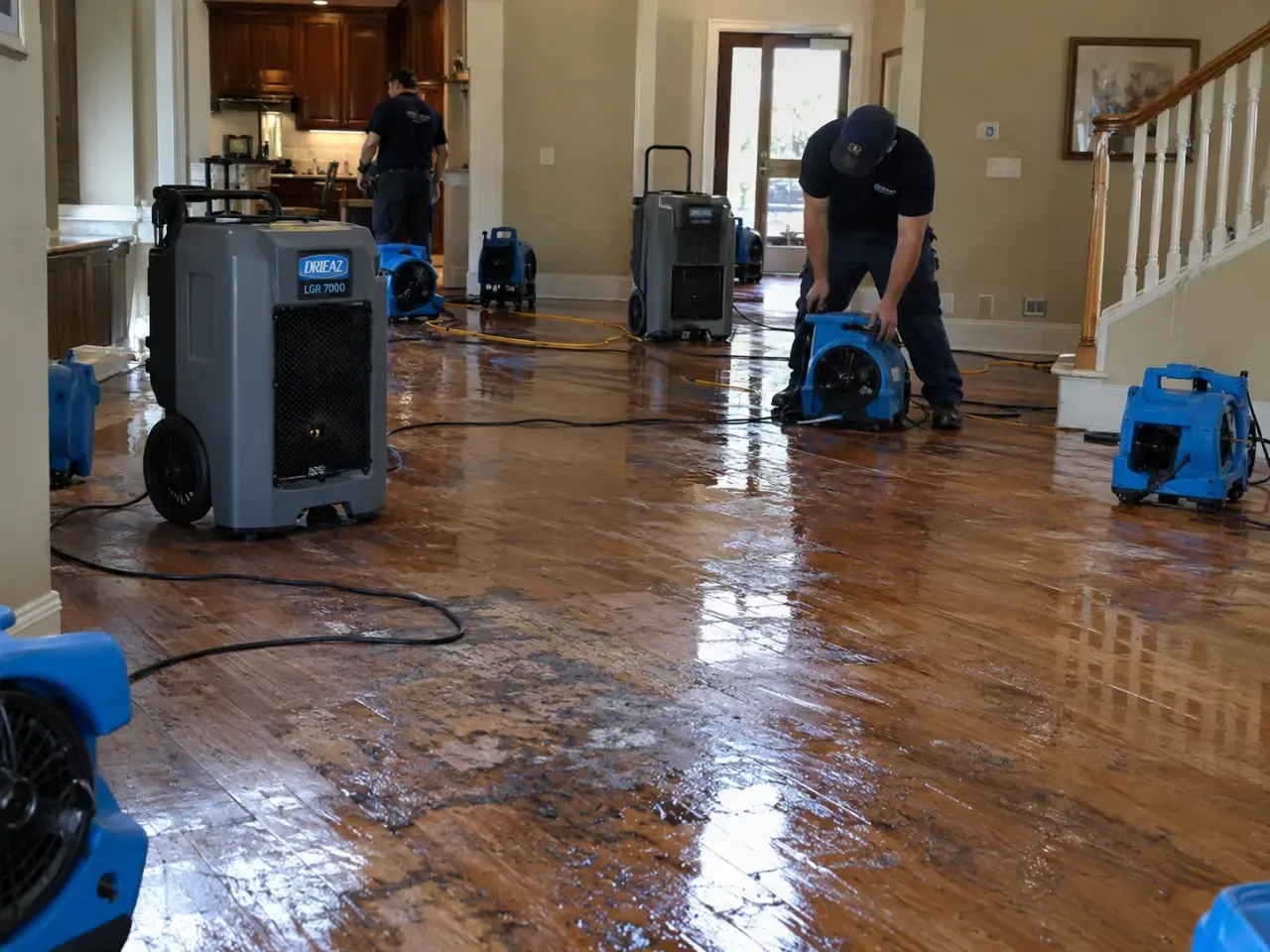
Talk with the local team
Request Commercial Water Mitigation
Call Milwaukee Water Pros at (414) 567-3006 for emergency water mitigation, basement flooding, sewage backup cleanup, or a leak that has spread beyond its source. We take emergency calls 24/7 and will ask where the water is, what caused it, and whether anyone is at risk. Our service area includes Milwaukee County and neighborhoods such as Bay View, Riverwest, and Washington Heights.