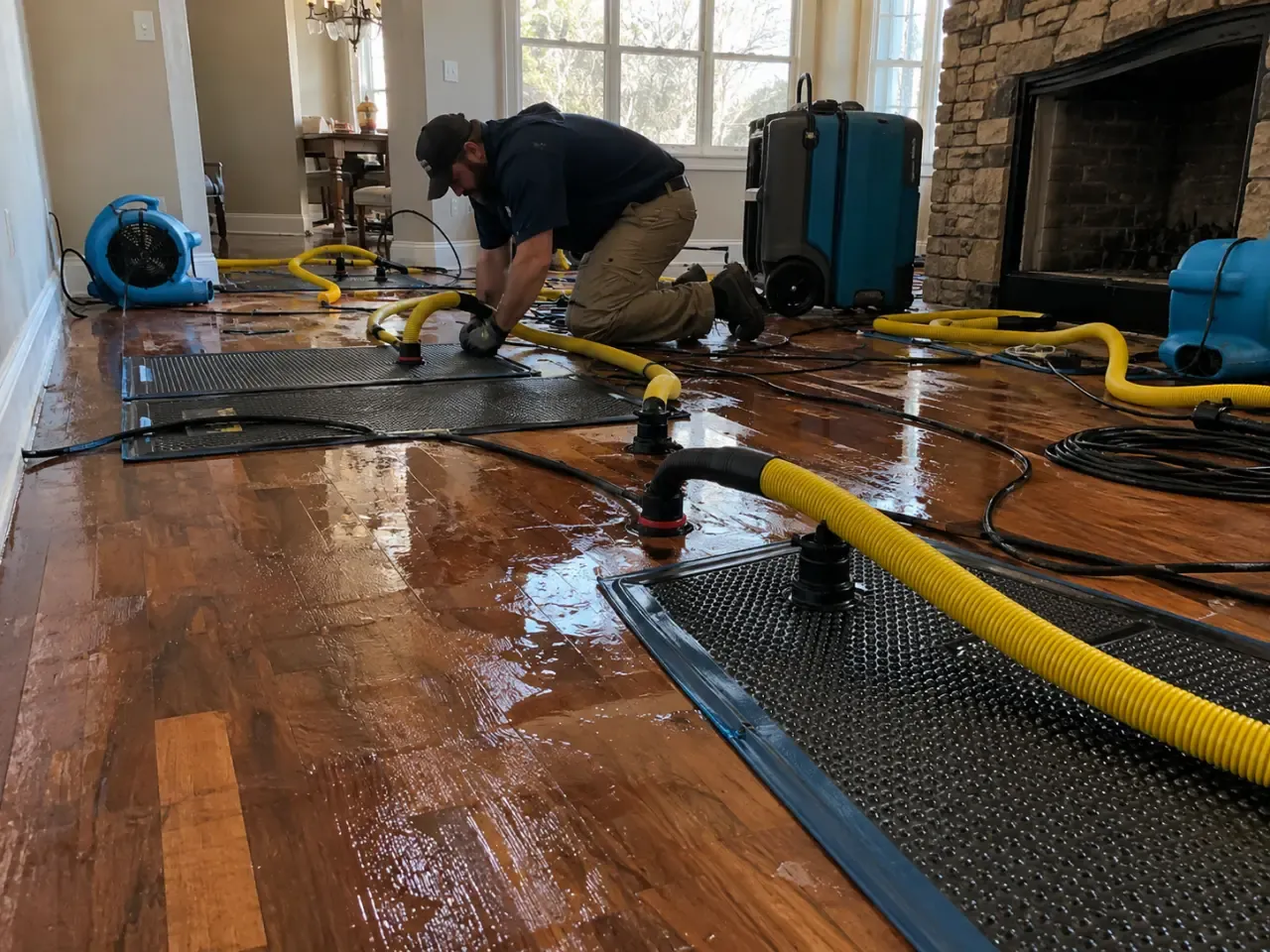
For Milwaukee homes and businesses hit by leaks or flooding
Water Damage Cleanup Milwaukee WI That Stops Spread
Water Damage Cleanup Milwaukee WI starts with stopping active water and removing what has already soaked into your building. We help Milwaukee homeowners, landlords, and businesses after a burst pipe, appliance leak, basement flood, or stormwater intrusion. Our crew extracts standing water, checks hidden moisture, and sets drying equipment to protect flooring, walls, and wood framing. Call (414) 567-3006 when water is spreading or the source has just been shut off.
Live dispatcherUpfront optionsBacked workmanship
What's included
What Water Damage Cleanup Includes
Water damage cleanup covers the immediate work needed to remove water, identify affected materials, and dry salvageable parts of your building. The exact work depends on the source, water category, and how far moisture traveled. We explain material removal and cleaning needs as we find them; reconstruction, plumbing repairs, and mold remediation are separate work stages when the loss calls for them.
Source And Damage Check
We identify the visible source, affected rooms, and likely water path before moving equipment. This includes checking nearby flooring, baseboards, and wall areas where water can travel out of sight. You get a practical picture of the immediate work zone and the next steps needed to limit further damage.
Standing Water Removal
We extract water from hard floors, carpet, and accessible low areas using equipment suited to the loss. Deeper basement water may require pumping before detailed extraction. Removing pooled water reduces ongoing exposure for building materials and makes it possible to inspect flooring and lower wall sections.
Moisture Mapping
We check affected materials and compare readings with nearby unaffected areas. This helps distinguish a surface spill from moisture inside drywall, flooring, or wood framing. Mapping guides drying equipment placement and identifies materials that need removal rather than continued drying.
Drying And Monitoring
We set air movers and dehumidification equipment, then return to measure progress. Drying commonly takes 3 to 5 days, with duration influenced by material, temperature, and water volume. Equipment stays in place until readings support removal, not just until the floor feels dry.
Cleaning And Material Decisions
We clean affected salvageable surfaces and apply antimicrobial disinfectant where the water conditions call for it. Saturated or contaminated porous materials, including carpet padding or sections of drywall, may need removal. You receive a clear explanation of the cleanup work and any repair stage that follows.
Service overview
Water Damage Cleanup Milwaukee WI: The Work
Water Damage Cleanup Milwaukee WI is a building cleanup service that removes water, identifies wet materials, and dries affected areas after a leak or flood. Our work starts with a source check and water extraction, followed by moisture mapping across floors, wall cavities, and nearby rooms. We use a moisture meter to compare readings as drying progresses, then decide which materials can be dried and which need removal. A typical drying setup runs 3 to 5 days, with readings checked at least once daily.
Milwaukee buildings face frozen or burst pipes during subzero spells, basement flooding after heavy rain, sump pump failure, and appliance leaks that run unnoticed behind cabinets. In older homes, water can travel beneath finished floors or into plaster and wood framing before a stain appears. Our water damage restoration Milwaukee, Wisconsin service follows the water path, not just the visible puddle. If you need a water cleanup company for a flooded home in Bay View, we can remove standing water and map affected rooms before hidden moisture becomes a larger repair.
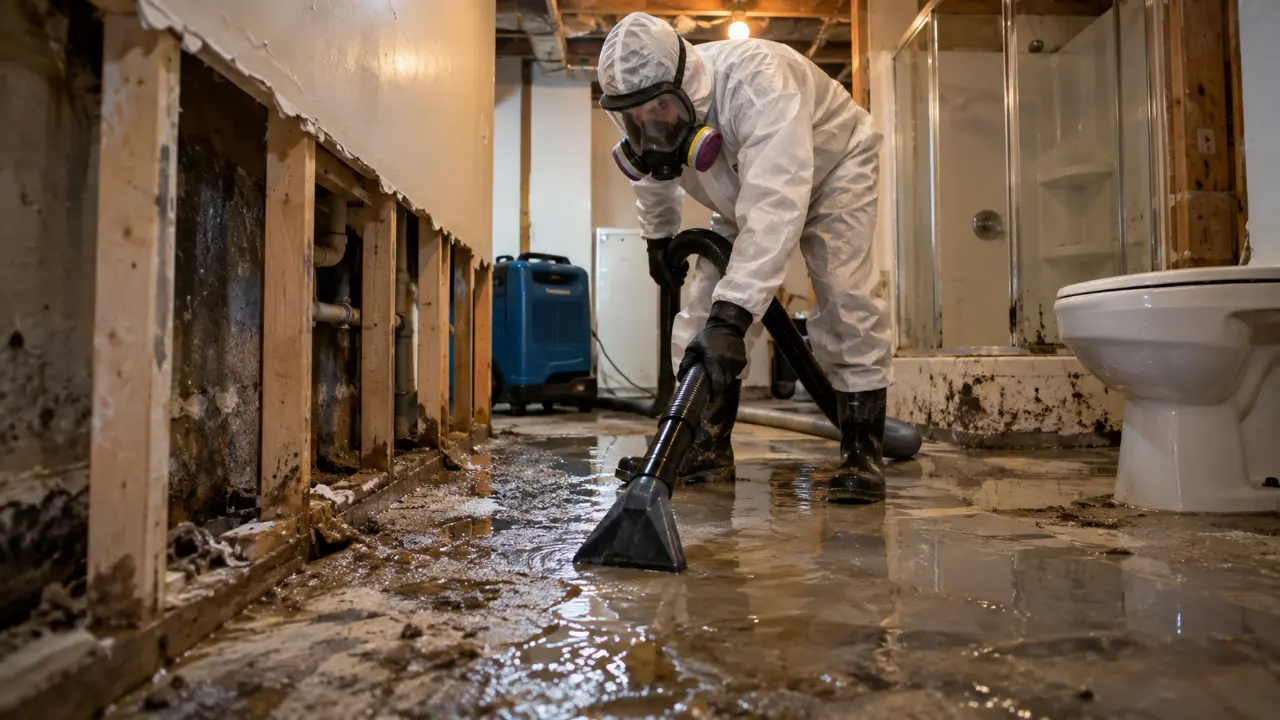
How we workWe verify the cause, compare realistic options, and confirm the repair before we leave.
The service timeline
What Happens During Cleanup
The process flexes to the condition, but these checkpoints keep decisions clear.
Stop And Assess
On arrival, we identify the water source and affected rooms, then help you isolate the supply when the leak is still active. We check for electrical hazards, ceiling sag, and contaminated water before equipment enters. The first assessment often takes 30 to 60 minutes, giving us a room-by-room plan for extraction, documentation, and safe access.
Extract Standing Water
We remove pooled water with a truck-mounted unit or portable water extractor, selecting equipment based on floor level, access, and water volume. For a flooded basement, a submersible sump pump can lower deeper standing water before detailed extraction. You will see immediate reduction in visible water, while wet carpet and padding remain under assessment.
Map Wet Materials
We measure moisture in flooring, drywall, trim, and wood framing, including areas beyond the visible stain. A thermal imaging camera helps locate temperature patterns that warrant direct meter checks; it does not replace those readings. We document the affected boundary and explain which materials are candidates for drying and which are too damaged or contaminated to keep.
Set Drying Equipment
We place air movers to direct airflow across wet surfaces and a commercial dehumidifier to collect moisture from the room. Equipment placement depends on room shape and material, not a fixed number of fans per home. We protect walkways, review equipment noise and access with you, and return to record readings, often every 24 hours.
Verify And Close Out
When readings approach the dry standard for comparable unaffected materials, we remove drying equipment and review the completed work with you. If removal or rebuilding is required, we identify the affected materials and next trade step. The final check helps confirm that a dry surface is backed by measurements inside the assembly, not appearance alone.
Tools & methods
Equipment And Drying Methods
Purpose-built equipment, used by trained technicians, so the job is done accurately the first time.
Truck-Mounted Water Extraction Unit
We use the unit to remove substantial standing water from accessible spaces, including carpeted rooms and lower levels. Strong extraction reduces the water load before detailed moisture inspection and drying.
Portable Water Extractor
A portable extractor reaches rooms, stairways, and tighter spaces where truck-mounted equipment cannot work directly. We use it for controlled water removal around furnishings and building features.
Moisture Meter
The meter checks moisture within materials and helps us compare affected areas with dry reference points. We use repeated readings to judge whether drying is progressing and when equipment can be removed.
Thermal Imaging Camera
We use thermal patterns to flag areas that need direct moisture testing, especially around walls and floors. The camera supports inspection but does not replace a moisture meter or material assessment.
Dri-Eaz Dehumidifier
Dri-Eaz equipment helps remove moisture from the air during structural drying. We position dehumidification with air movers and adjust the setup as readings and room conditions change.
Use cases
When Cleanup Should Start
These examples show how the service framework adapts rather than forcing every call through one repair.
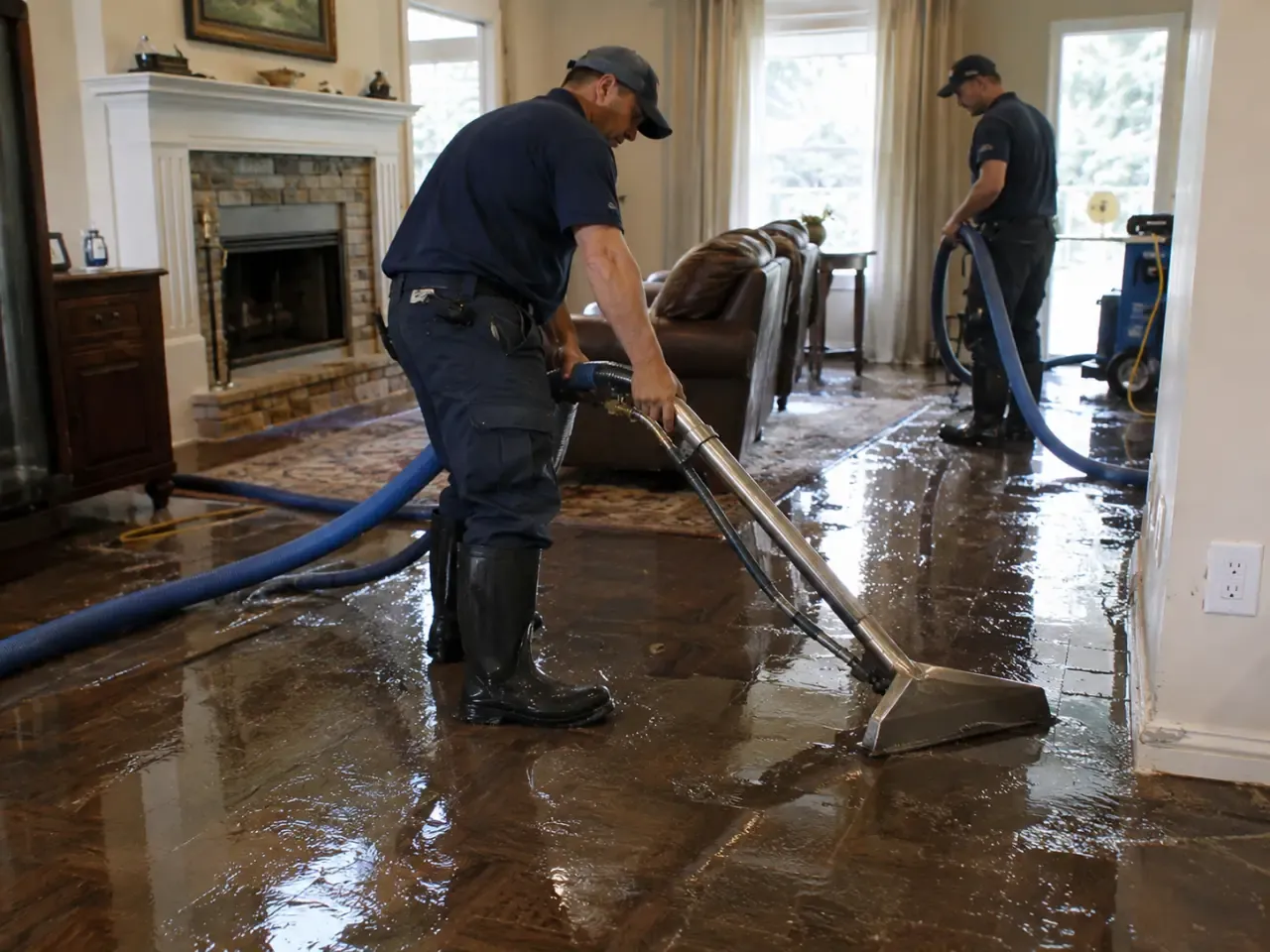
Supply Line Leak In A Duplex
A kitchen supply line leaks overnight in a Riverwest duplex, wetting roughly 120 square feet of flooring and the ceiling below. The upper room looks dry after towels are used, but the lower ceiling has a spreading stain and the baseboard feels damp. → We extract water from the kitchen, check both floors, and identify moisture at the cabinet edge and lower ceiling. After targeted material removal and 3 days of measured drying, readings show the remaining framing has returned toward the dry reference range. The repair team receives a clear outline of affected areas.
Stormwater In A Sherman Park Lower Level
Stormwater enters a Sherman Park basement through a low opening and reaches stored belongings, carpet padding, and the bottom edge of drywall. The floor has been mopped, but a damp odor remains and the wall still feels cool in several spots. → We assess the water, remove affected porous materials, and extract residual water from the floor. Moisture mapping guides drying equipment for 5 days, with checks on the wall base and nearby framing. The odor source is addressed through cleaning and drying, and the owner knows which wall sections need repair.
Problems we solve
Solve Common Milwaukee Water Damage Problems
A small wet area can hide a much larger water path, especially in basements and older Milwaukee buildings. Our cleanup work addresses the source, affected materials, and drying conditions together. Call early if you notice a ceiling stain, soft flooring, a musty odor, or water returning after a pump stops.
A burst pipe leaves water under flooring and inside finished walls.
We begin Milwaukee WI cleanup after a burst pipe by confirming the supply is shut off and extracting visible water. We then trace the wet boundary with moisture readings, inspect adjoining rooms, and set drying equipment where readings show moisture. If the wall cavity is saturated, we explain the removal needed to expose and dry affected materials.
Basement water returns after a sump pump failure during heavy rain.
We remove pooled water, assess the extent of stormwater intrusion, and separate salvageable contents from wet porous materials. A submersible sump pump can lower deeper water before extraction and detailed checks. We then dry the basement and check lower walls and floor transitions so you know whether moisture remains.
An appliance leak runs unnoticed beneath cabinets or behind a washer.
We inspect around the appliance, toe-kicks, and neighboring room edges, then use moisture readings to locate hidden wet areas. After extraction, we dry exposed surfaces and assess affected padding or cabinet materials. We help you distinguish cleanup from the plumbing repair needed to stop the leak at its source.
Sewage backup leaves contaminated floodwater on a basement floor.
We isolate the work area, remove contaminated water and affected porous items, and clean remaining surfaces using appropriate procedures. We assess what can be retained before drying begins. You receive clear guidance about access during cleanup and whether further mold remediation is needed after the moisture source and contamination are addressed.
Pricing process
Water Damage Cleanup Pricing
$500 - $4,500 for many residential extraction and drying jobs, with larger or contaminated losses priced by scope
Water Volume And Spread
A shallow spill in one room takes less extraction time than water covering a basement or moving between floors. More affected square footage also means additional moisture checks and equipment, increasing labor and drying time.
Water Category
Clean water from a supply line is handled differently from sewage or contaminated stormwater. Contamination can require additional protective measures, controlled removal, and cleaning, raising the work involved compared with a clean-water leak.
Materials And Removal
Carpet padding, swollen drywall, and wet insulation may need removal when saturated or contaminated. Salvageable tile or framing can often be dried in place. The material decision affects labor, disposal, and the repair work that follows.
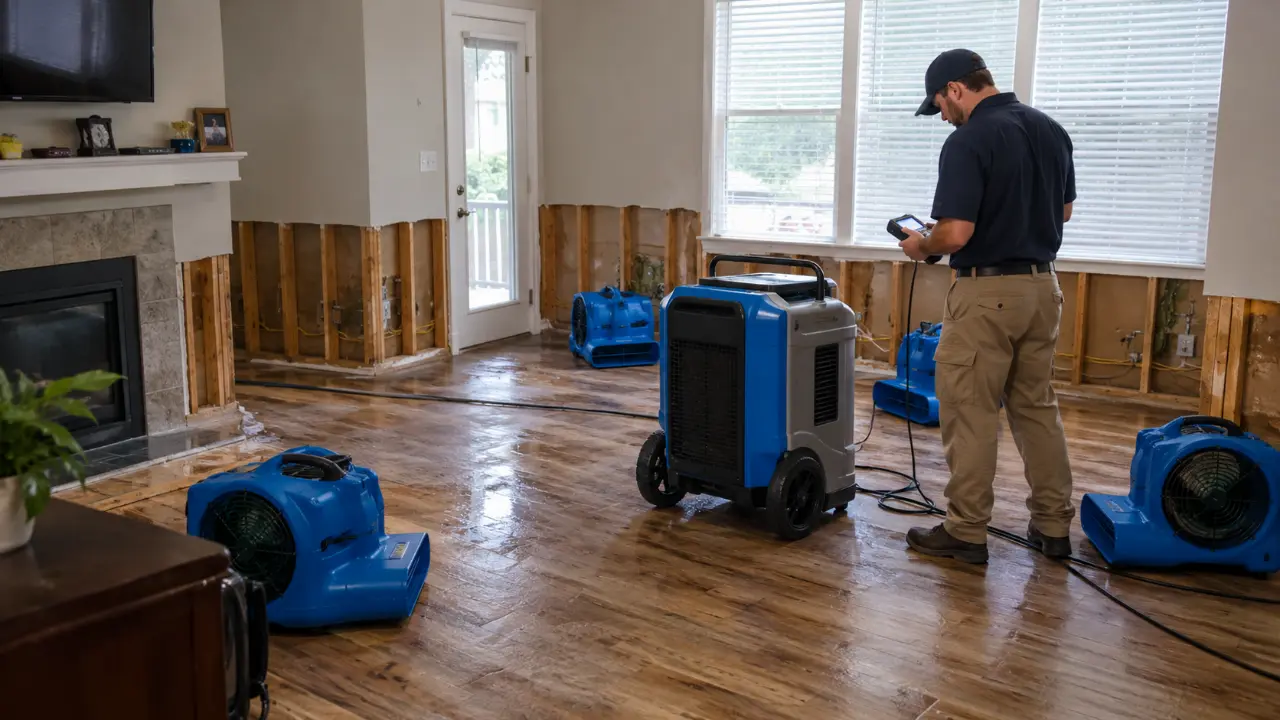
What is included in water damage cleanup in Milwaukee?
Water damage cleanup in Milwaukee includes water extraction, moisture checks, drying equipment, and progress monitoring. We first identify the source and water category, then inspect affected rooms and nearby materials. Depending on the loss, cleanup can also include removing saturated carpet padding or drywall, cleaning salvageable surfaces, and applying antimicrobial disinfectant. A typical structural drying setup runs 3 to 5 days, with readings recorded during return visits.
How long does water damage restoration take?
Most drying jobs take 3 to 5 days, while demolition and reconstruction can extend the full project to 1 to 3 weeks. The timeline depends on water volume, material type, indoor temperature, and how long the leak ran. We check moisture readings at least daily during active drying and adjust equipment when the numbers show a slow area. A small room may dry sooner than a flooded basement with wet framing.
Can wet drywall be saved after a Milwaukee water leak?
Wet drywall can often be dried if clean water reached it recently and the board remains firm; saturated, swollen, or contaminated sections usually need removal. We check moisture at several heights and inspect the cavity before deciding. If water damage cleanup near me in Milwaukee WI is your search, call while the wall is still wet; prompt extraction can reduce how much drywall and insulation require replacement.
Will insurance pay for water damage cleanup?
Insurance may cover sudden, accidental water damage, but coverage depends on your policy, cause, and exclusions. Gradual seepage, maintenance failures, and floodwater can be treated differently from a sudden burst pipe. We document affected areas, readings, and work performed so you have useful job records for your claim. Contact your insurer promptly and keep photos of the source and damage before materials are removed.
Related services
Related Water Cleanup Services
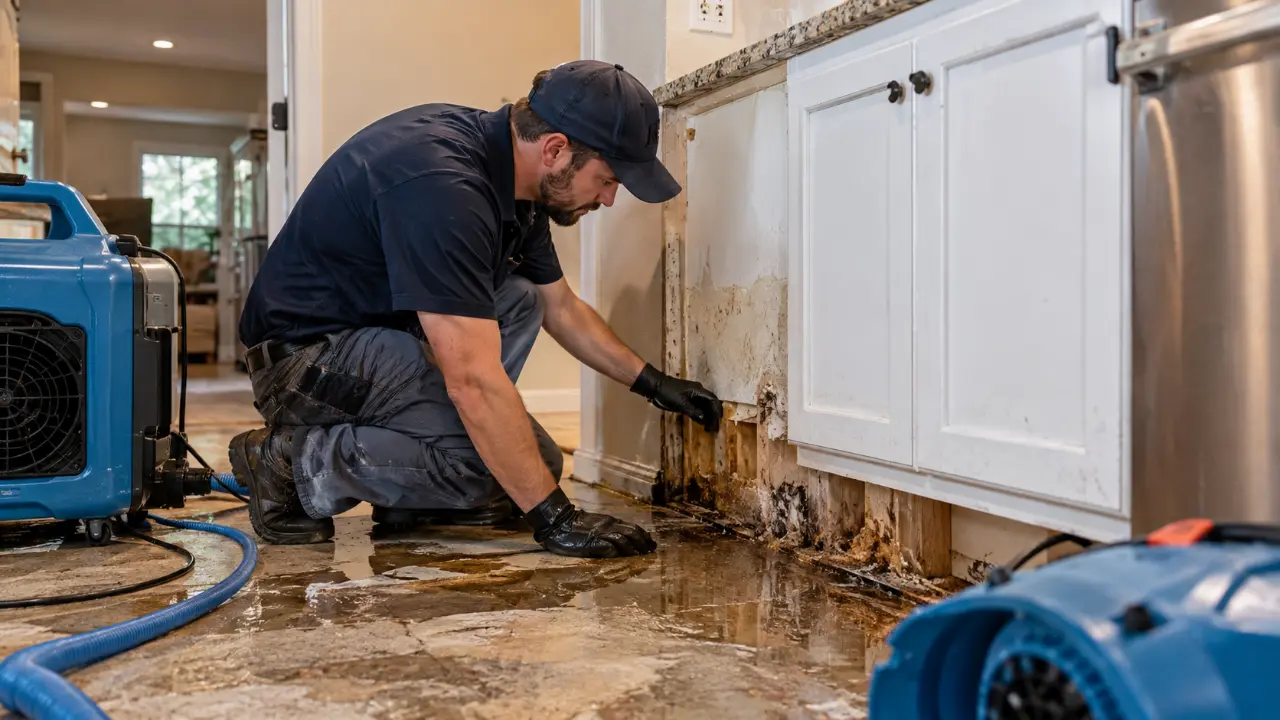
Emergency Water Extraction
Emergency Water Extraction removes standing water before it spreads farther through flooring and wall edges. We choose a truck-mounted or portable extractor based on access and volume, then move into moisture checks and drying. It is the first practical step after a supply-line break, appliance leak, or sudden indoor flood.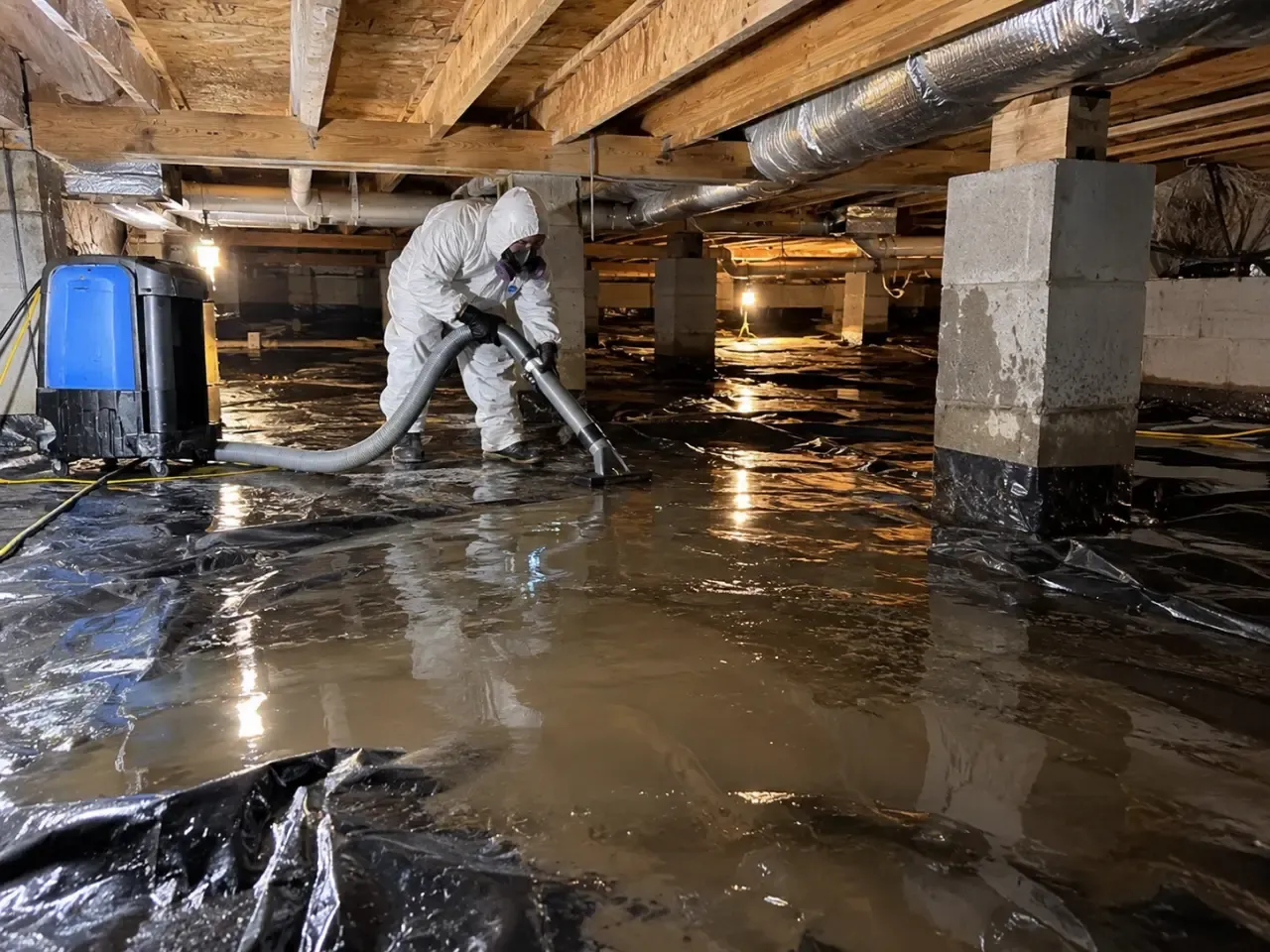
Basement Water Removal
Basement Water Removal addresses pooled water from heavy rain, sump pump failure, or a plumbing leak below grade. We lower deeper water when needed, extract remaining water, and check walls, stored contents, and floor edges. The follow-up drying plan accounts for concrete, finished walls, and any damp carpet padding.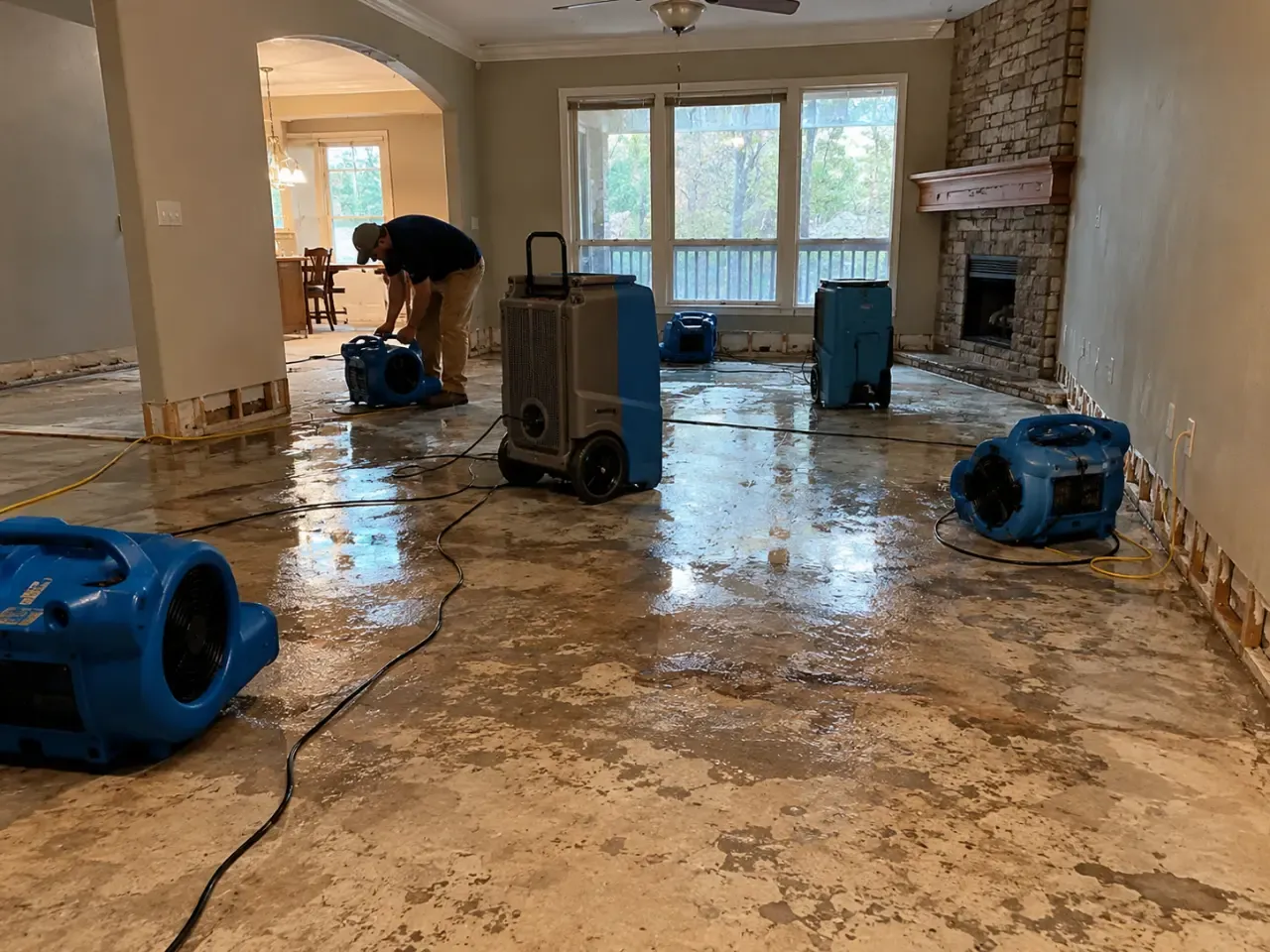
Flood Water Cleanup
Flood Water Cleanup is for stormwater intrusion and other events where water may carry contaminants. We assess the water category, remove affected porous materials when required, and clean surfaces using appropriate methods. After cleanup, we dry the structure and verify moisture rather than treating the visible water line as the full damage boundary.Ready when you are
Call For Water Damage Cleanup Milwaukee WI
If water is spreading through your home or business, call Milwaukee Water Pros at (414) 567-3006. We will help stop the source, remove standing water, and begin measured drying. Our team has served Milwaukee for 4 years, since 2022.
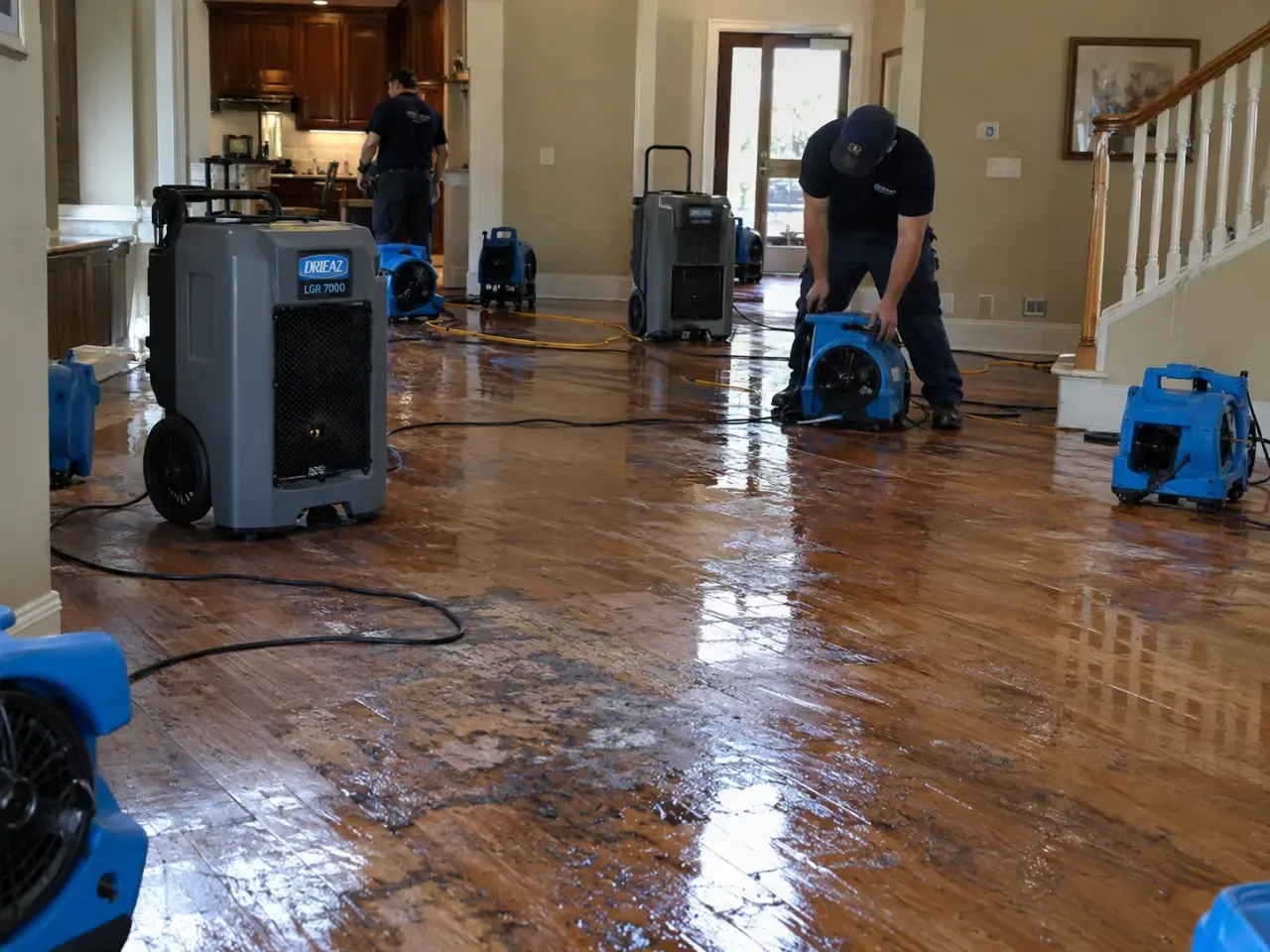
Talk with the local team
Request Water Damage Cleanup
Call Milwaukee Water Pros at (414) 567-3006 for emergency water mitigation, basement flooding, sewage backup cleanup, or a leak that has spread beyond its source. We take emergency calls 24/7 and will ask where the water is, what caused it, and whether anyone is at risk. Our service area includes Milwaukee County and neighborhoods such as Bay View, Riverwest, and Washington Heights.