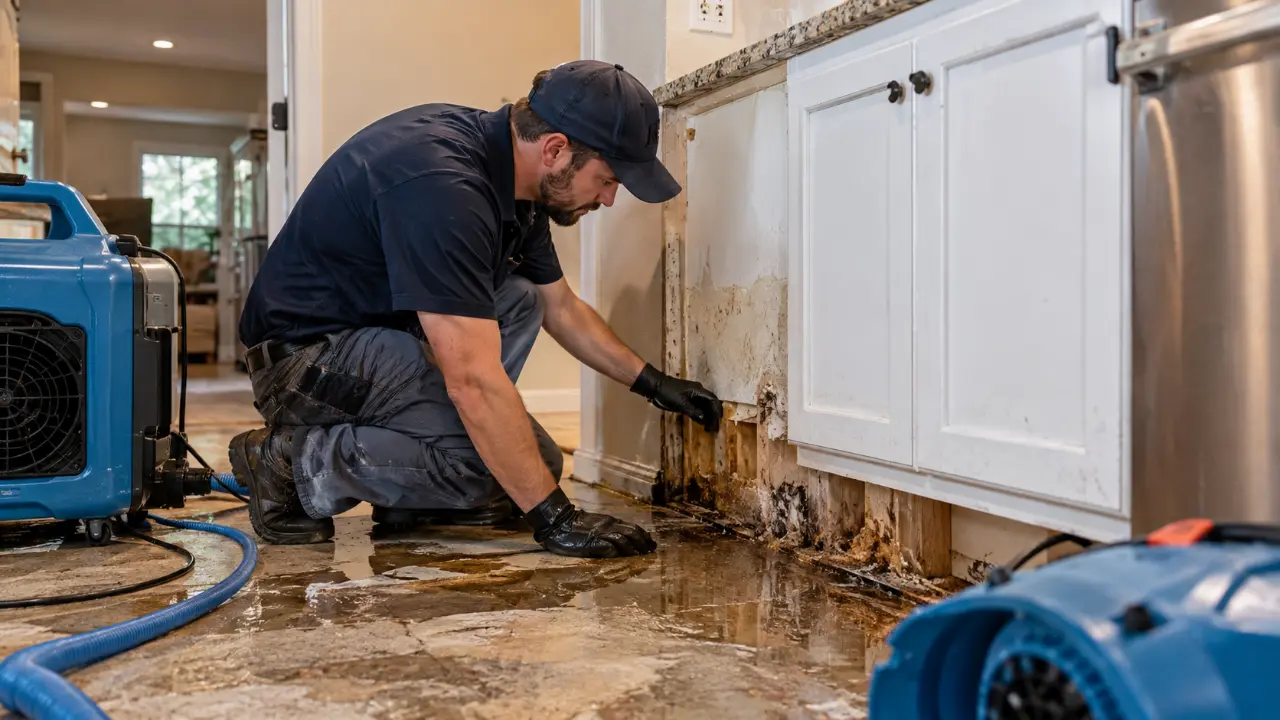
Get standing water out before it spreads further
Emergency Water Extraction Milwaukee WI: Clear Water Fast
Emergency Water Extraction Milwaukee WI helps homeowners and businesses move from a flooded room to a controlled cleanup. Milwaukee Water Pros responds to burst pipes, basement flooding, appliance leaks, stormwater intrusion, and sewage backup with Milwaukee emergency water removal focused on getting water off floors and out of materials. Call (414) 567-3006 when water is actively spreading; quick extraction gives drying and repair work a better starting point.
Live dispatcherUpfront optionsBacked workmanship
What's included
What Emergency Extraction Includes
Emergency extraction covers the immediate removal of accessible standing water and an initial assessment of the affected area. We identify the likely source, choose equipment for the water depth, and check nearby materials for signs of moisture. Drying, cleaning, contents handling, and repairs follow the findings and water category; we explain how each connects to restoring your space.
Initial Water Assessment
We identify where water is pooling, whether it is still entering, and what likely caused the loss. The assessment includes a first look at access, affected rooms, and safety concerns. That information guides equipment selection and helps you understand whether the water appears clean or requires controlled handling.
Standing Water Removal
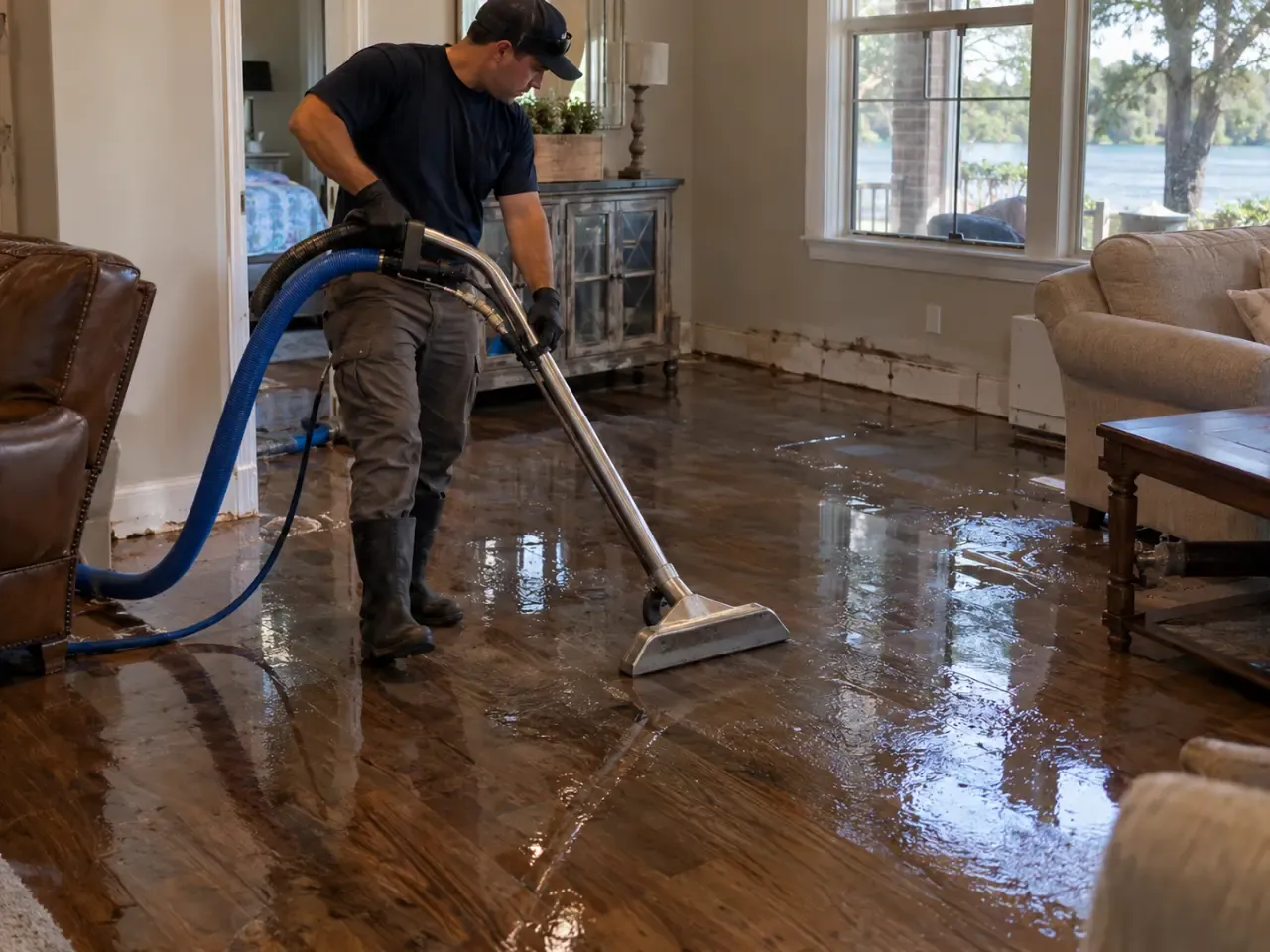
We pump or extract accessible water from floors, basements, and other affected areas using equipment suited to the volume and layout. Narrow stairs, finished rooms, and deeper pools change the setup. The aim is to remove bulk water without carrying it into unaffected parts of your home.
Moisture Checks
After extraction, we check affected floors and wall edges with a moisture meter. These readings help locate wet materials that are not obvious by sight or touch. We use the results to explain whether the next step is drying, material removal, or additional cleanup.
Next-Phase Direction
We tell you what the extraction uncovered and what should happen next, such as structural drying or contaminated-water cleanup. If equipment is needed, we describe its purpose and placement. The handoff keeps the response connected from the initial pump-out through the work required to dry the structure.
Service overview
Emergency Water Extraction Milwaukee WI
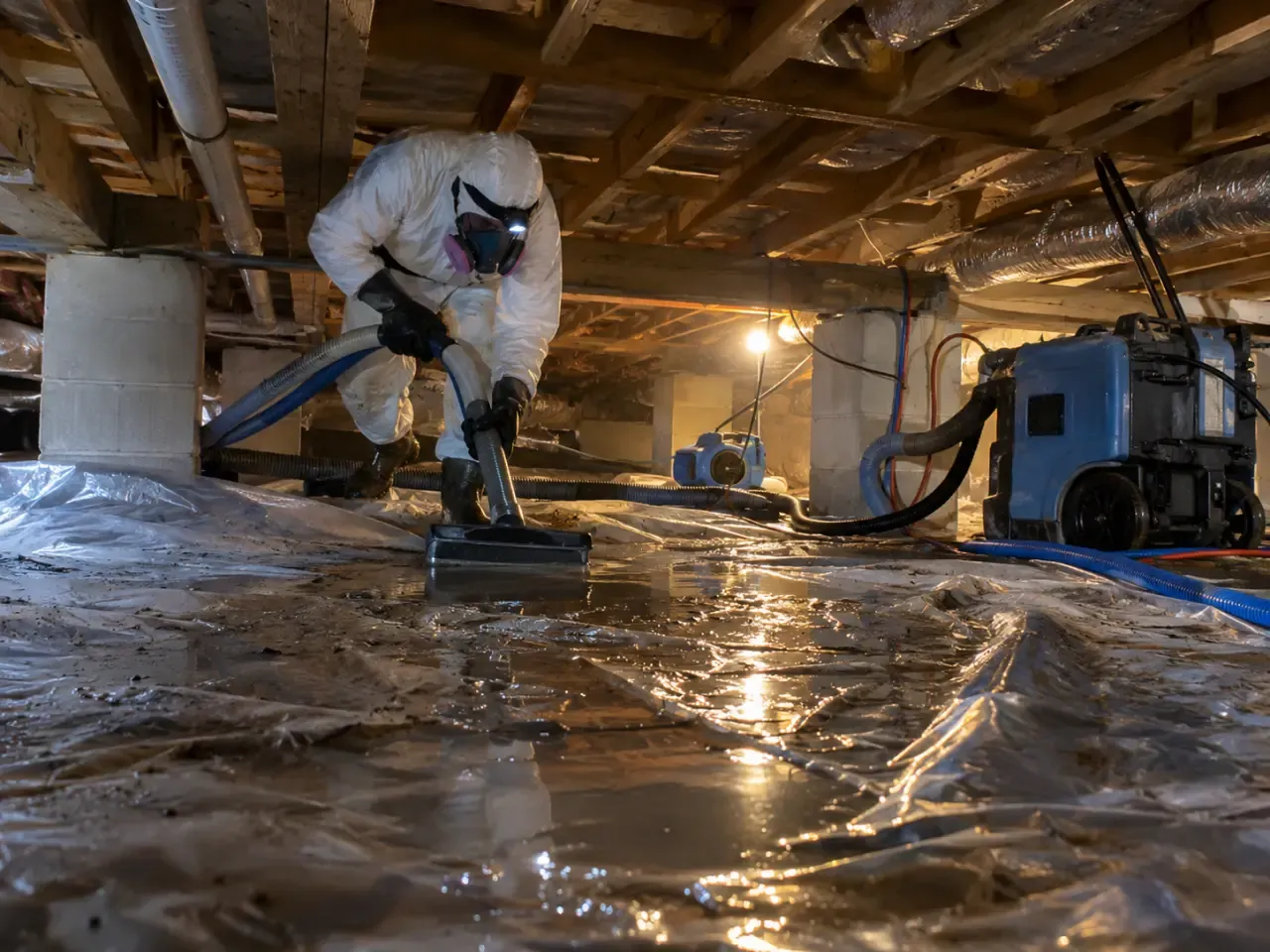
Emergency Water Extraction Milwaukee WI is an emergency cleanup service that removes standing water from buildings after leaks, flooding, or plumbing failures. We locate the wet area, identify visible safety hazards, and use pumps or extractors suited to the water depth and affected surface. Removing pooled water is only the first step: our crew also checks adjoining rooms and porous materials so water trapped in carpet padding, lower walls, and floor joints does not go unnoticed. The goal is a measured, documented handoff to the drying phase, not simply a dry-looking floor.
Milwaukee homes face urgent water events after frozen or burst pipes, sump pump failure, heavy rain, roof leaks, and appliance failures. Older basements with masonry, finished rooms, or stored belongings need different handling than a tiled utility room. If you are searching for 24/7 emergency water extraction in Milwaukee WI, we assess the source and water category before choosing equipment; sewage or contaminated floodwater requires protective measures and a different cleanup plan from a clean supply-line leak.
How we workWe verify the cause, compare realistic options, and confirm the repair before we leave.
The service timeline
What Happens During Extraction
The process flexes to the condition, but these checkpoints keep decisions clear.
Triage the Call
We ask where the water is, how deep it is, whether it is still flowing, and whether it may contain sewage. On arrival, our crew checks access, electrical hazards, and the likely source before bringing equipment inside. A small supply-line leak and a basement full of stormwater need different controls. You receive a straightforward first assessment before extraction begins.
Control the Source
If a pipe is still releasing water, we help identify the shutoff and coordinate the next plumbing step so extraction is not fighting a continuing leak. For stormwater or sump pump failure, we check whether water is still entering and where it is collecting. You will know which immediate action comes first and what must be stabilized before equipment runs.
Pump and Extract
We use a submersible sump pump for deeper pooled water and a portable water extractor or truck-mounted unit for accessible floors and carpet. The equipment choice depends on depth, access, and the material beneath the water. Your belongings are moved from the work path when safe, and the crew removes water in manageable passes rather than spreading it across clean areas.
Measure Wet Materials
After visible water is gone, we use a moisture meter to check flooring, wall edges, and other affected materials. A thermal imaging camera can help locate temperature patterns that warrant closer moisture testing, but readings confirm the condition. This step takes additional time in finished basements; it helps us identify hidden moisture before it becomes a larger repair.
Set the Drying Plan
We explain whether the next step is structural drying, selective material removal, or specialty cleanup for contaminated water. Air movers and a commercial dehumidifier are placed according to the affected area and readings, with follow-up checks used to track progress. You get a practical handoff: what was extracted, what remains wet, and what happens next.
Tools & methods
Equipment and Extraction Methods
Purpose-built equipment, used by trained technicians, so the job is done accurately the first time.
Truck-mounted water extraction unit
This high-capacity system removes large volumes from accessible areas and is useful when the building layout allows hose access. We use it to clear bulk water efficiently before detailed floor and material checks.
Portable water extractor
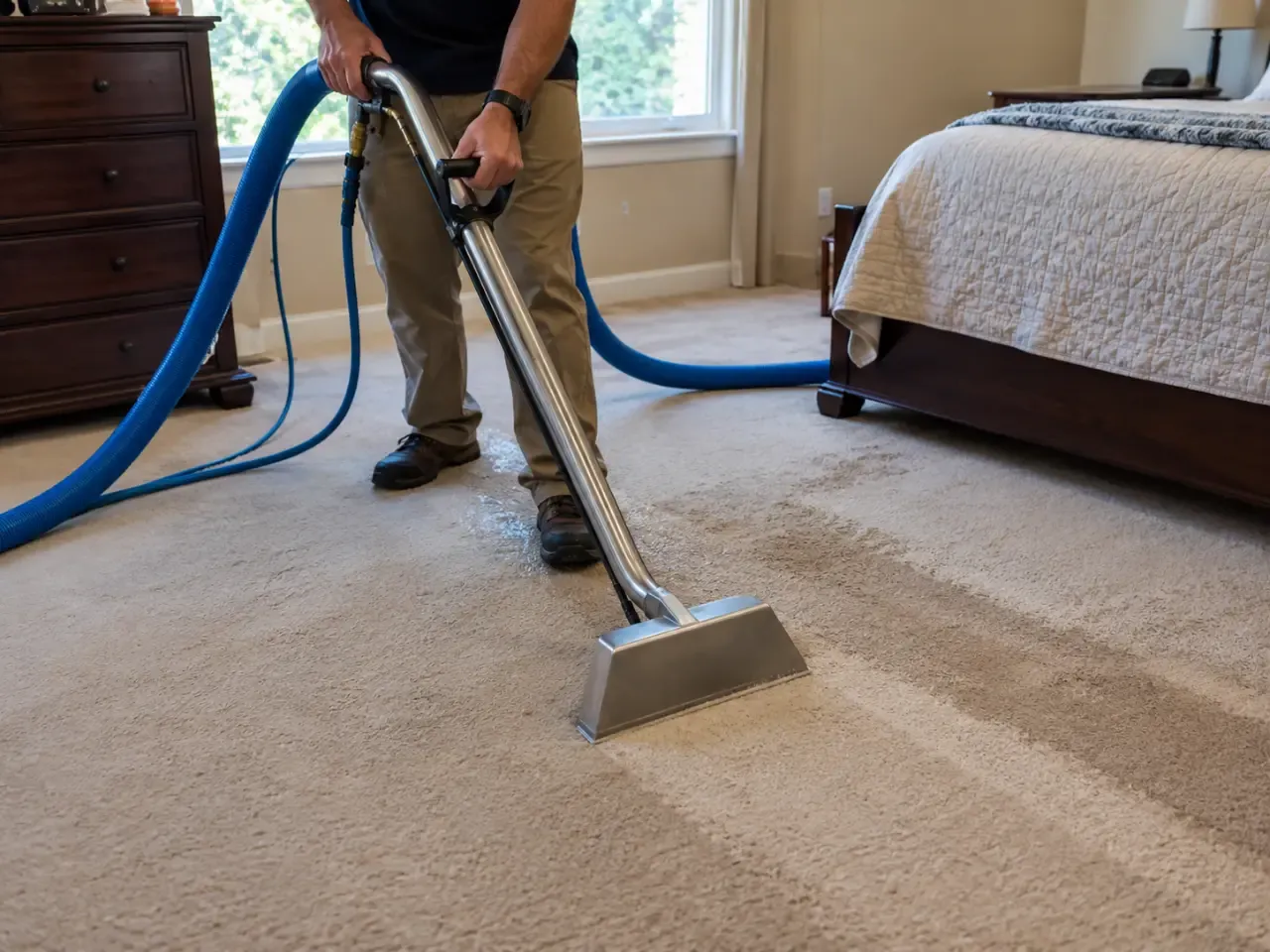
A portable unit fits tighter rooms, stairs, and areas where a truck-mounted hose is impractical. It helps remove remaining water from carpet and hard-to-reach floor sections after the primary pump-out.
Submersible sump pump
For deeper standing water, a submersible sump pump moves water out of a basement before surface extraction begins. The crew selects it based on depth and safe discharge options.
Moisture meter
We use a moisture meter to compare affected surfaces and locate wet materials after visible water has been removed. Readings help determine whether drying or further inspection is needed.
Thermal imaging camera
A thermal imaging camera helps identify temperature patterns that can point to areas for closer moisture testing. It supports the assessment but does not replace direct moisture measurements.
Use cases
When You Need Extraction
These examples show how the service framework adapts rather than forcing every call through one repair.
Winter Pipe Leak
A pipe leak during a Milwaukee cold snap wet a kitchen floor and seeped into the room below. The surface looked mostly dry after the homeowner wiped it down, but moisture remained along the floor edge and beneath nearby materials. The water source had been shut off, yet the hidden spread was still uncertain. → We extracted remaining water from the affected floor, checked the adjoining room, and measured the damp areas instead of relying on appearance. The readings helped identify where drying was needed and what the plumber should access during repair. The homeowner could proceed with the pipe fix and drying without closing wet materials back into place.
Stormwater in a Lower Level
Rainwater entered a Riverwest basement through a low opening and collected around stored items. The water carried dirt, and some belongings had absorbed it before the owner noticed. A mop could remove surface water but could not clear the pooled area or show which materials had been affected. → We pumped out the pool, separated wet contents from unaffected items, and assessed the floor and lower wall for remaining moisture. The owner knew which surfaces needed cleanup and which materials required drying or disposal. The basement moved from active pooling to a defined restoration plan rather than an uncertain wait for it to dry.
Problems we solve
Problems Urgent Extraction Addresses
Water on a floor is visible; water inside a wall or beneath carpet is not. Milwaukee Water Pros removes standing water and checks the areas most likely to hold moisture after a leak or flood. If the damage is spreading, prompt action helps limit the time materials remain saturated and clarifies what repair work follows.
A failed sump pump leaves several inches across a finished basement.
We start with a submersible sump pump when water depth calls for it, then use extraction equipment on remaining floor water. Our crew checks carpet edges, wall bottoms, and nearby storage areas for moisture. We separate pump-out from the drying plan so you know which materials need monitoring or removal.
A frozen pipe bursts behind a wall during a winter cold snap.
After the leak is controlled, we remove visible water and check the surrounding floor and wall surfaces. A moisture meter helps identify areas that need further investigation or drying. We coordinate the extraction findings with the repair process so damaged materials are not closed up while still wet.
Stormwater enters through a basement window or foundation opening.
We remove pooled water, identify the areas contacted by stormwater, and assess whether surfaces need specialized cleanup. Our team avoids treating floodwater as clean tap water and explains which contents or materials need attention. Drying follows once the affected area is cleared and the entry point is addressed.
A sewer backup pushes contaminated water through a floor drain.
We establish a controlled work area and remove contaminated water using appropriate equipment and protective procedures. The crew assesses affected materials and connects extraction with sewage backup cleanup and disinfection. Keep people and pets clear until the work area has been evaluated and the cleanup plan is underway.
Pricing process
Emergency Extraction Pricing
$250 - $1,500 for many residential extraction jobs; larger or contaminated losses are priced to scope.
Water depth and volume
A few gallons from an appliance leak can be extracted quickly, while several inches across a basement require pumping before detailed floor work. Greater volume increases equipment time and the effort needed to move water safely from the building.
Affected square footage
The size of the wet area affects how many rooms need extraction and how much time is required to check floor edges and adjoining spaces. Water that has spread through multiple rooms requires more equipment handling than a contained utility-room puddle.
Water source and category
Clean supply-line water is handled differently from sewage or contaminated stormwater. Contamination can require added protective measures and follow-on cleaning, which changes the labor and equipment plan. Tell us the source when you call so we can prepare appropriately.
How fast can emergency water extraction reach Milwaukee?
Response timing varies by location, road conditions, and active call volume; call (414) 567-3006 for the current arrival estimate. Tell us your Milwaukee neighborhood, the water depth, and whether it is still entering the building. We can use those details to prepare the right pump or extractor. While you wait, avoid standing in water near electrical equipment and shut off the source only if you can do so safely.
Can standing water be removed from my Milwaukee basement tonight?
Yes, our 24-hour water removal Milwaukee WI service handles urgent basement pump-outs when a crew and safe access are available. The water source and depth determine whether we start with a submersible sump pump or an extraction unit. For urgent basement water extraction Milwaukee WI, share whether the water is clean, storm-related, or sewage-contaminated so we can plan the correct protective measures.
What should I do before water extraction starts?
If it is safe, stop the water source, keep people and pets out of the affected area, and move valuables only from dry, accessible locations. Do not enter standing water if electrical outlets, appliances, or a panel may be submerged. Photograph the damage from a safe position and note when the leak began. We will assess the area, identify hazards, and begin extraction once the work zone is safe.
Does emergency water removal prevent further damage?
Prompt extraction removes pooled water, but it does not guarantee that all damage is prevented. Moisture can remain in carpet padding, drywall, insulation, and wood framing after the floor looks dry. We measure affected materials after pump-out and set drying or removal steps based on readings and water quality. Follow-up monitoring matters; a hidden wet cavity can continue to deteriorate even after visible water is gone.
Related services
Related Water Damage Services
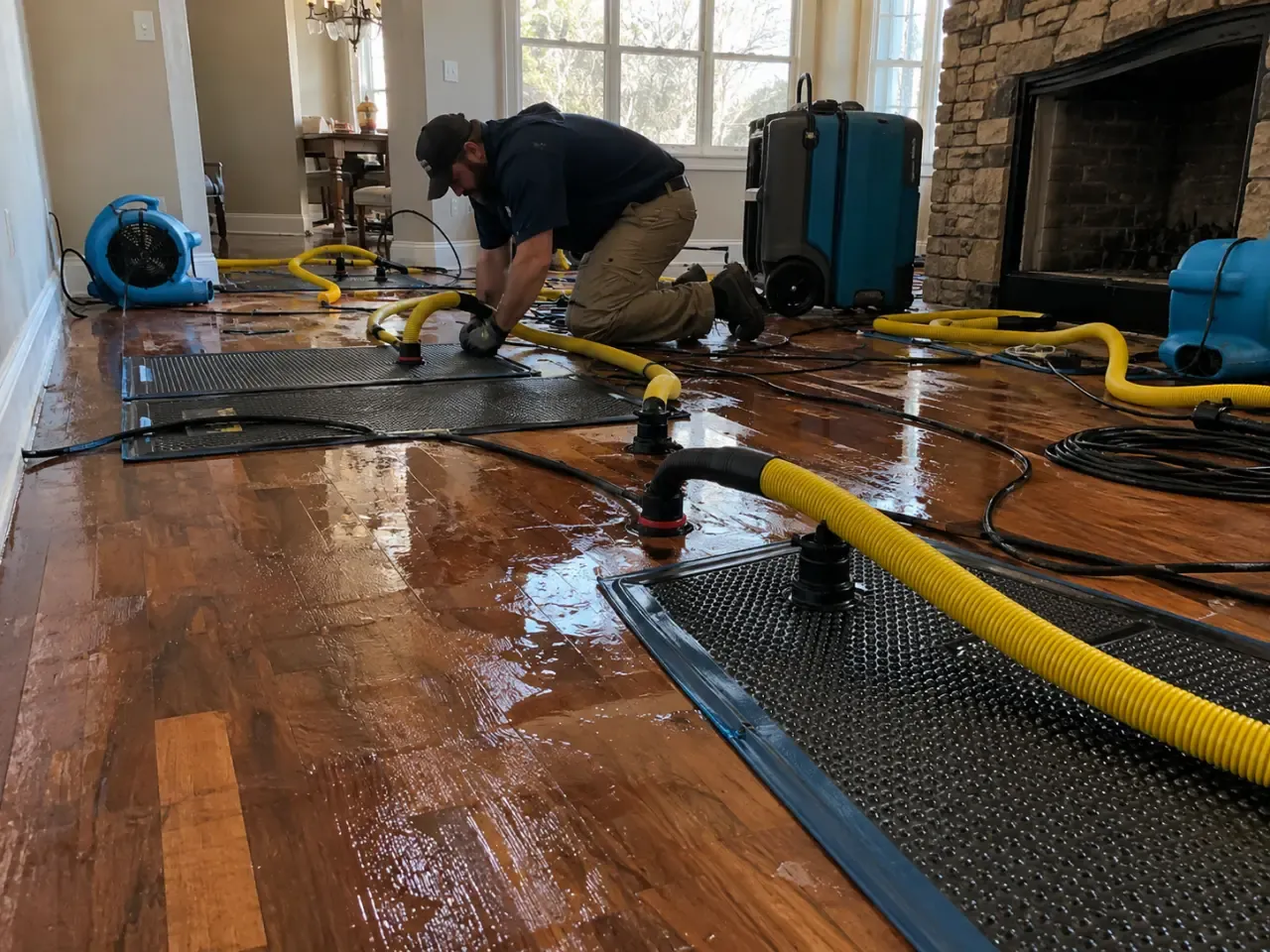
Water Damage Cleanup
Extraction removes the standing water; cleanup addresses the residue and affected contents left behind. We can follow a Milwaukee pump-out with targeted cleaning, material assessment, and drying steps so dirty water or debris does not remain on floors and lower walls.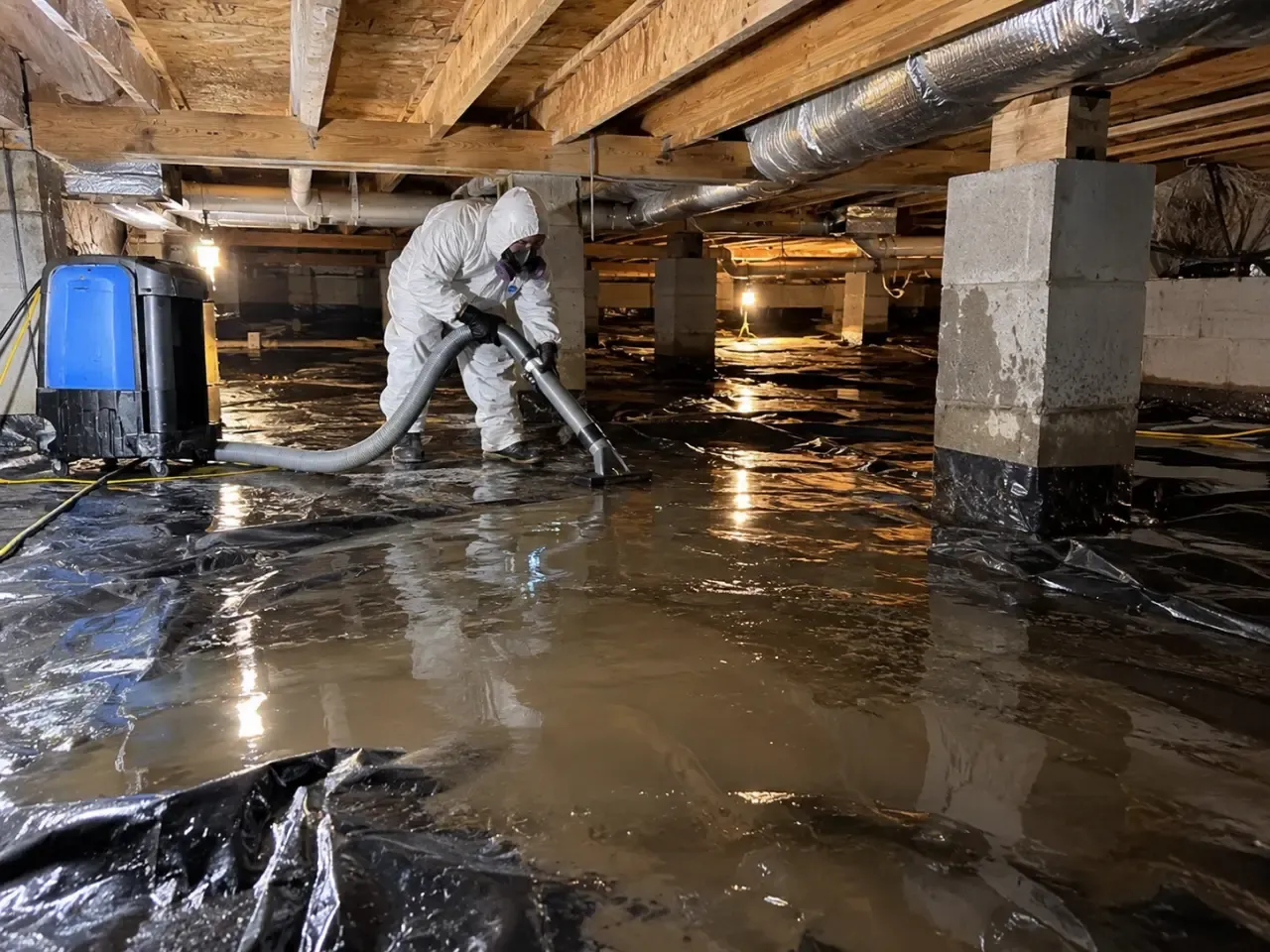
Basement Water Removal
A flooded basement often needs pumping before drying equipment can work effectively. We remove pooled water from utility rooms, finished spaces, and storage areas, then check floor edges and wall bottoms for moisture that could remain after the visible pool is gone.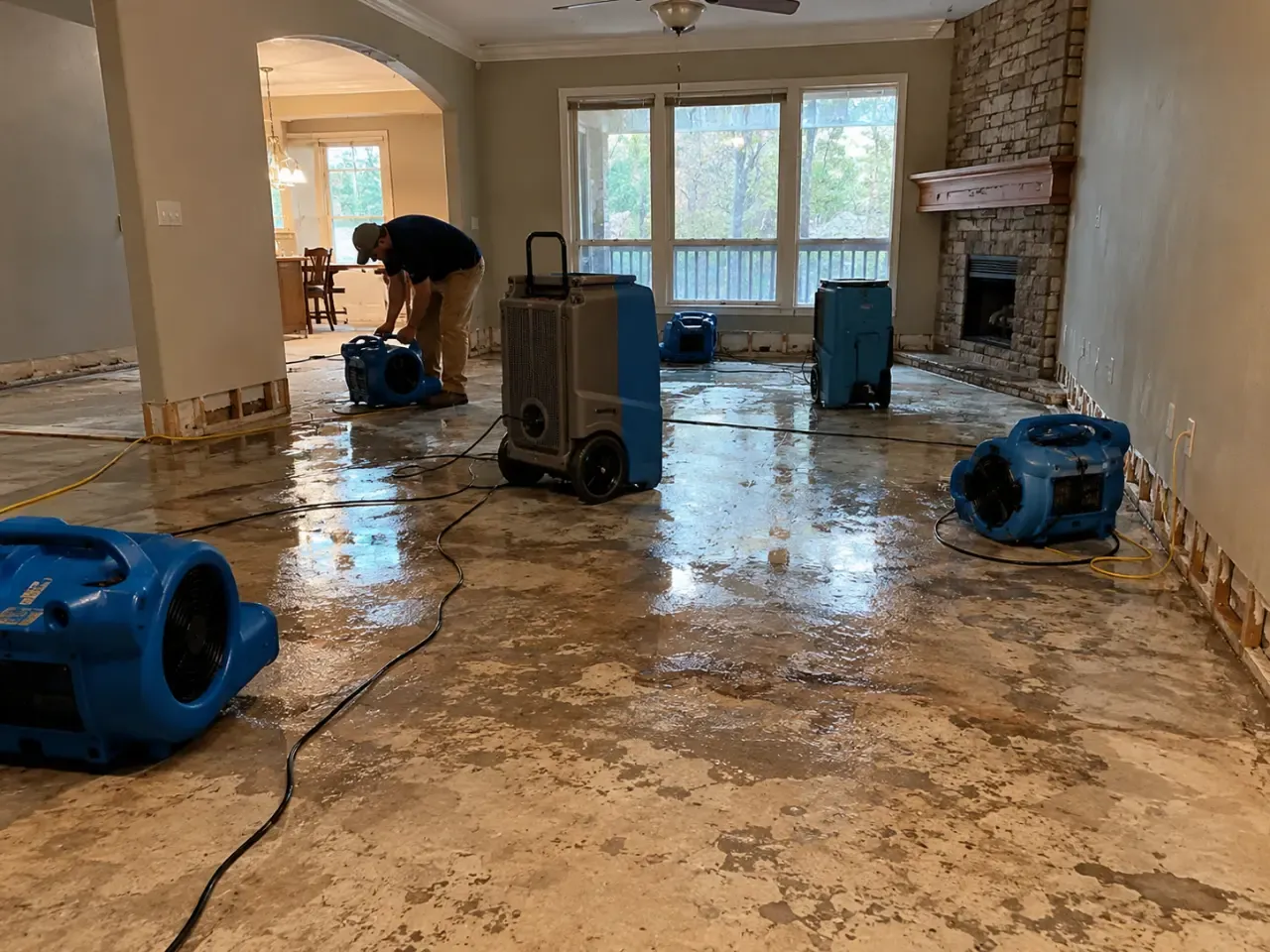
Flood Water Cleanup
Stormwater can carry soil, debris, and contaminants into a home. After extraction, our crew assesses what contacted the floodwater and determines which surfaces need cleaning or removal. This is especially important when water entered through a basement window, foundation opening, or overwhelmed drain.Ready when you are
Call for Emergency Water Extraction Milwaukee WI
Water keeps moving until the source is controlled and the standing water is removed. Our crew uses measured extraction and explains the next step before drying begins. Call Milwaukee Water Pros at (414) 567-3006 for 24/7 emergency service and upfront pricing.
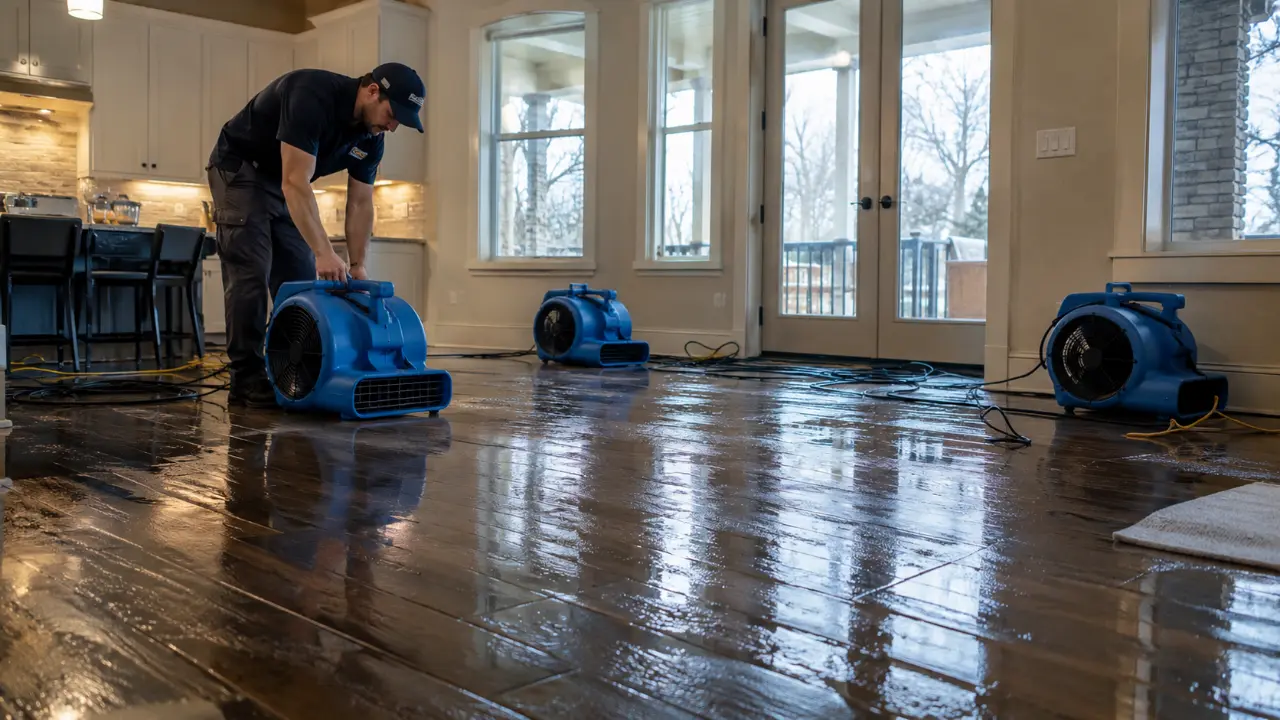
Talk with the local team
Request Emergency Water Extraction
Call Milwaukee Water Pros at (414) 567-3006 for emergency water mitigation, basement flooding, sewage backup cleanup, or a leak that has spread beyond its source. We take emergency calls 24/7 and will ask where the water is, what caused it, and whether anyone is at risk. Our service area includes Milwaukee County and neighborhoods such as Bay View, Riverwest, and Washington Heights.