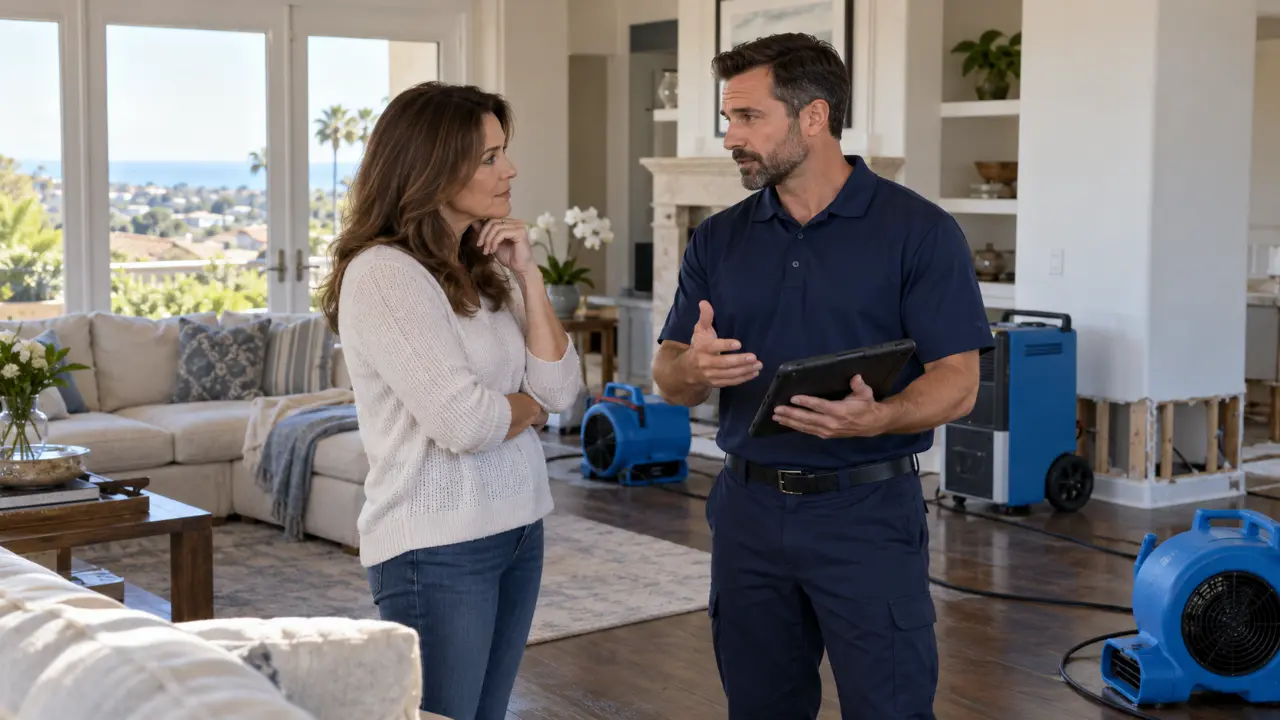
Remove mold, correct moisture, and protect your property
Mold Remediation Milwaukee WI for a Drier Home
Mold Remediation Milwaukee WI helps homeowners and property managers address visible mold, musty odors, and hidden dampness after leaks or flooding. Our Milwaukee mold removal service targets the affected materials and the moisture feeding growth, rather than masking the smell. We inspect the area, isolate work zones, remove unsalvageable materials, and dry the structure so you know what was treated and what comes next.
Live dispatcherUpfront optionsBacked workmanship
What's included
What Mold Remediation Includes
Our mold remediation work covers inspection of visible and nearby moisture-affected areas, containment, removal of unsalvageable materials, cleaning of retained surfaces, and drying checks. The exact work depends on the water source and building materials. Rebuilding, plumbing repairs, and replacement finishes are coordinated as separate repair needs when the property is dry and ready.
Affected Area Assessment
We inspect visible growth and check nearby materials for moisture that could extend beyond the stain. A moisture meter helps compare readings across drywall, flooring, and framing. You get a practical map of the work area and a clear explanation of what appears affected before removal begins.
Work-Zone Containment
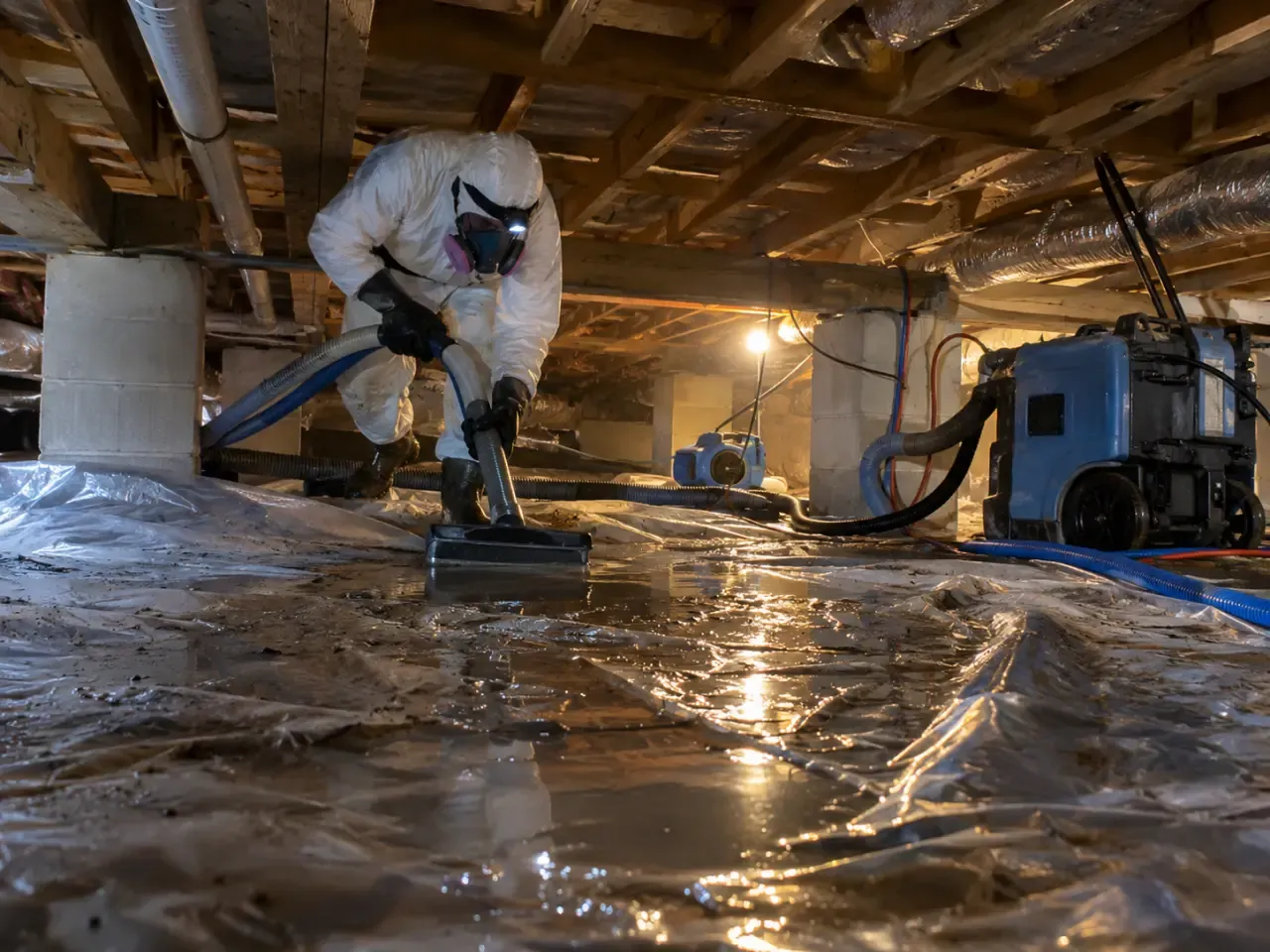
We set a controlled boundary around the remediation area using polyethylene containment sheeting where appropriate. HEPA filtration helps capture airborne particles during disturbance. This limits movement of dust into adjacent rooms and gives our crew a defined space for removal, cleaning, and debris handling.
Material Removal and Cleaning
Porous materials that cannot be effectively cleaned, such as saturated carpet padding or mold-damaged drywall, are removed. Retained surfaces are cleaned using methods appropriate to the material and condition. We bag debris and keep the work area organized so removal does not create avoidable mess elsewhere in your home.
Drying and Moisture Checks
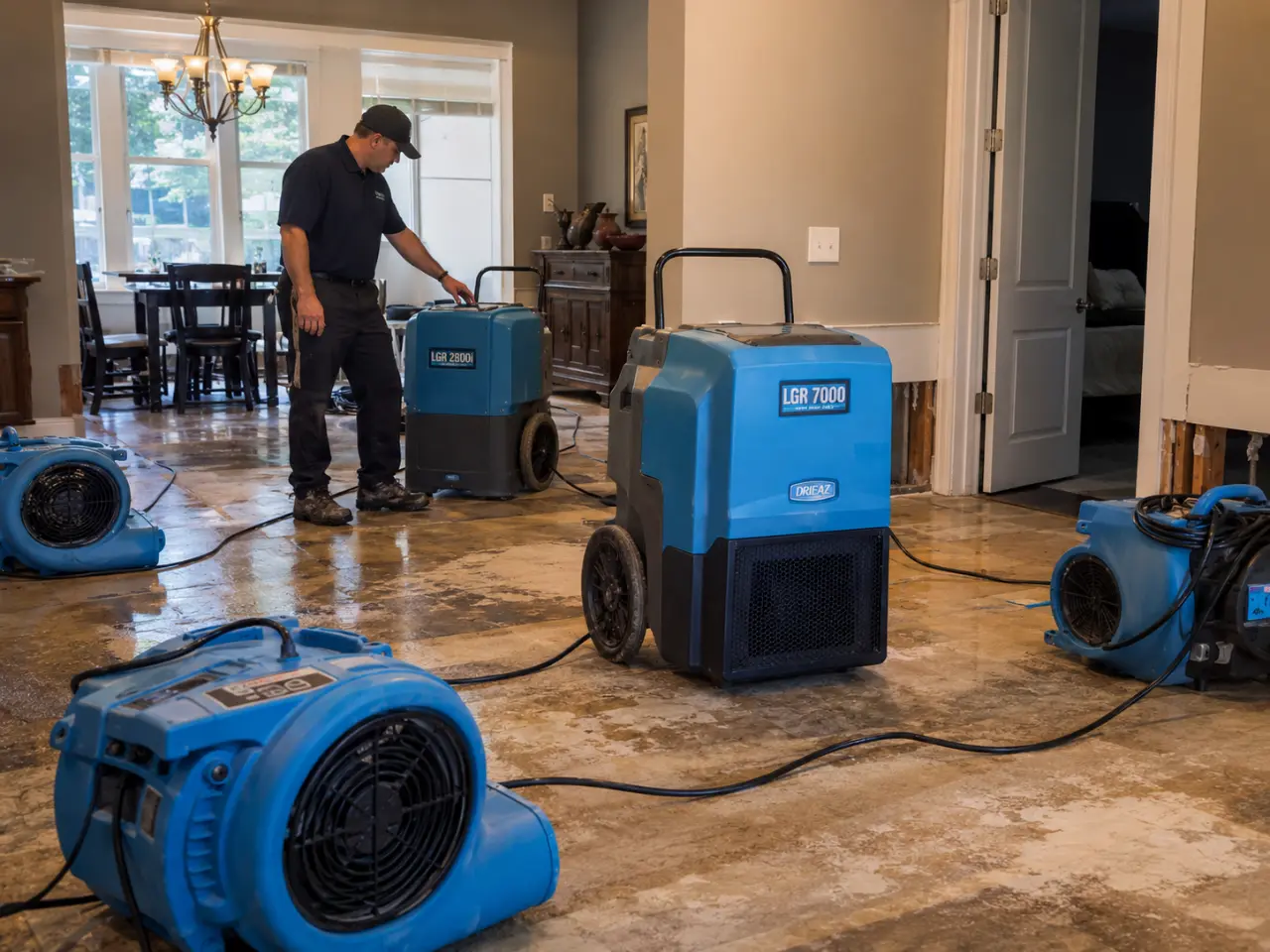
We use air movement and dehumidification when the structure needs controlled drying after removal. Moisture readings guide equipment adjustments and help determine when affected framing or subflooring is ready for repair. Drying time varies; many jobs need 24 to 72 hours of monitored drying after the water source is addressed.
Service overview
Mold Remediation Milwaukee WI: The Work
Mold Remediation Milwaukee WI is a property restoration service that identifies mold-affected materials, contains disturbance, removes contaminated building components, and addresses the moisture that allowed growth. Our process starts with a moisture assessment, not a guess based on surface color. We map damp areas, check adjoining walls and floors, and plan safe removal. Depending on the damage, work can include polyethylene containment sheeting, HEPA air filtration, selective removal of drywall or carpet padding, cleaning of retained surfaces, and controlled drying.
Milwaukee's freeze-thaw cycles, spring rain, older basements, and occasional summer storms create several routes for water to enter and linger. A burst or frozen pipe, sump pump failure, roof leak water intrusion, or appliance leak can leave hidden moisture behind trim and insulation. For mold remediation after water damage in Milwaukee WI, we trace the wet area back to its source and check connected materials before closing the work zone. That prevents a clean-looking surface from concealing a damp wall cavity.
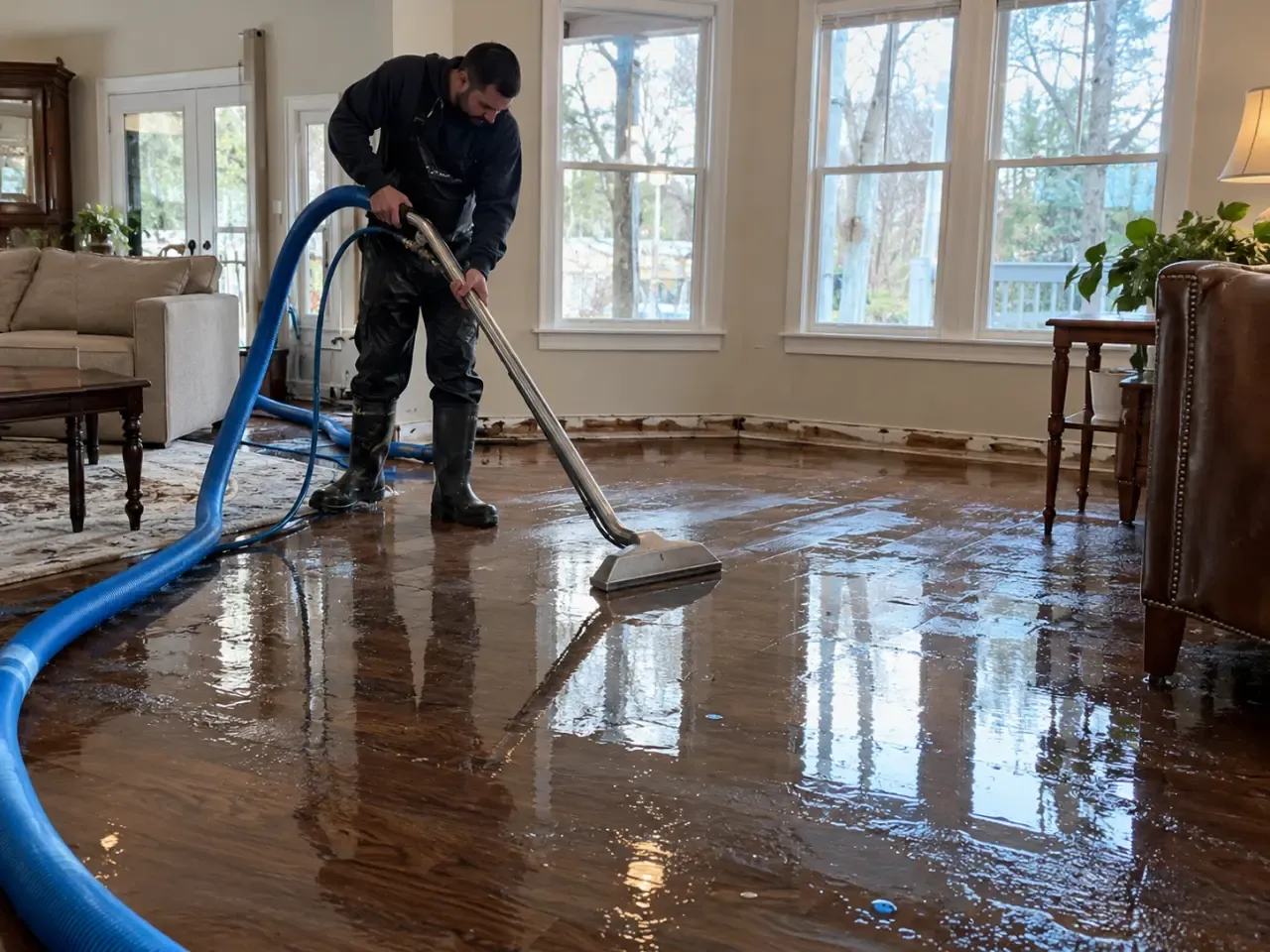
How we workWe verify the cause, compare realistic options, and confirm the repair before we leave.
The service timeline
Your Remediation Process
The process flexes to the condition, but these checkpoints keep decisions clear.
Inspect and Map
We begin by asking when the water event occurred, where you first noticed the odor or discoloration, and whether the leak has stopped. A moisture meter helps us compare affected surfaces with dry areas; a thermal imaging camera can help locate temperature patterns that warrant further checking. This first assessment often takes 30 to 90 minutes, depending on access and the size of the affected area.
Set the Containment
Before disturbing mold-affected materials, our crew establishes the work boundary and protects nearby finishes. Polyethylene containment sheeting, controlled entry, and HEPA air filtration help limit dust migration during removal. We also plan where tools and debris will travel, which matters in narrow Milwaukee basements, occupied duplexes, and shared hallways.
Remove Affected Materials
We remove materials that cannot be cleaned effectively, such as saturated carpet padding or mold-damaged sections of drywall and insulation. The crew works in manageable sections, bags debris, and keeps the containment intact. A small affected area may take several hours to remove; more extensive wall cavities or multiple rooms require additional work time.
Clean and Dry
After removal, we clean remaining structural surfaces with methods suited to the material and condition, then run air movers and a commercial dehumidifier as needed. We monitor moisture readings rather than relying on touch. Drying commonly takes 24 to 72 hours after the water source is controlled, but dense framing or a damp basement can take longer.
Verify and Explain
We check the treated area again, review moisture readings, and walk you through what was removed and what remains ready for repair. If a leak, sump issue, or exterior water entry still needs attention, we point out the next action clearly. You leave with a practical understanding of the cleanup and the conditions needed before rebuilding.
Tools & methods
Tools and Remediation Methods
Purpose-built equipment, used by trained technicians, so the job is done accurately the first time.
Moisture meter
We compare readings on affected and unaffected materials to locate damp areas and track drying. The readings help guide decisions about whether drywall, flooring, or framing is ready for repair.
Thermal imaging camera
We use thermal patterns to identify areas that warrant closer moisture inspection behind finishes. It is a locating aid, not a moisture reading by itself, so we confirm suspect areas with direct checks.
HEPA air scrubber
A HEPA air scrubber filters airborne particles within the controlled work area during material disturbance. Equipment selection and placement depend on the room layout, containment, and scope of removal.
Commercial dehumidifier
We use dehumidification to remove moisture from the air while drying affected structural materials. Moisture readings guide run time and adjustments, rather than leaving equipment in place without checking progress.
Dri-Eaz and Phoenix Restoration Equipment
These restoration equipment brands support controlled air movement and drying setups. We choose the appropriate unit configuration for the size of the room, the materials involved, and the moisture readings.
Use cases
When Remediation Is Needed
These examples show how the service framework adapts rather than forcing every call through one repair.
Sump Failure in a Finished Basement
A sump pump failure left water across the basement floor after a storm. Carpet padding remained wet along one wall, and a dark patch appeared near the baseboard. The room was used for storage, so boxes and furniture blocked parts of the floor during the first inspection. → We removed wet padding, cleared the affected work area, and cleaned the exposed lower wall. Drying equipment ran with repeat checks over 48 hours, and the moisture readings guided when the area was ready for repair. The homeowner could see which materials had been removed and which remained in place.
Ceiling Mold After Roof Intrusion
A roof leak stained an upstairs ceiling and left a musty smell in the bedroom. The roof had been patched, but damp insulation above the ceiling remained. The visible mark measured about 2 feet across, and the homeowner was concerned that repainting would only hide the damage. → We isolated the room, removed the affected ceiling section and damp insulation, and dried the exposed framing. Moisture checks over the next 36 hours confirmed the retained materials were ready for the repair phase. The new ceiling work could proceed without covering the original wet cavity.
Problems we solve
Solve Mold Problems After Leaks
Mold often signals that moisture remained after a water event, even when the original puddle is long gone. We trace the damp area, remove materials that cannot be salvaged, and dry what can remain. That approach helps solve the underlying problem instead of treating odor or discoloration alone.
Musty odor returns after the basement appears dry
We inspect the odor area and nearby surfaces, then take moisture readings to find damp materials that are not obvious from the room. If removal is needed, we contain the work area and take out affected porous materials. We then dry and recheck the retained structure before you arrange finish repairs.
Mold spots spread along a wall after a pipe leak
Our crew identifies the leak-affected boundary and checks the wall cavity where access is needed. We remove unsalvageable drywall or insulation, clean retained framing, and dry the cavity with monitored equipment. Once readings support repair, you can replace the wall finish without sealing in the original damp condition.
Floodwater leaves contaminated materials and hidden dampness
We separate contaminated items from materials that can be assessed for cleaning, remove affected porous components, and check the surrounding structure. Containment and controlled debris handling keep the work focused. After cleanup, drying equipment and repeat readings help establish whether the remaining materials are ready for repair.
A rental unit has mold near a shared hallway
We establish a contained work area, plan a clear route for tools and debris, and keep adjacent spaces outside the active removal zone. The crew checks moisture around the affected boundary and reports what needs drying or repair. That gives property managers a more orderly path to restoring the unit.
Pricing process
Mold Remediation Pricing
$500 - $6,000 for many residential jobs, depending on affected area, materials, access, and drying needs
Size of affected area
A small bathroom corner needs less containment, removal, and equipment time than a basement with several affected walls. Larger areas also require more cleaning and repeat moisture checks. The price reflects the materials and labor involved, not only the visible square footage.
Materials requiring removal
Removing carpet padding, drywall, or insulation adds labor and disposal compared with cleaning a sound, nonporous surface. Mold inside a wall cavity may require careful access and more extensive containment. We identify which materials cannot be salvaged before setting the work plan.
Access and building layout
Tight utility rooms, finished ceilings, shared hallways, and multiple floors can take additional setup and debris-handling time. A clear route and accessible work area help keep labor focused. Older construction may also require more investigation to locate the full damp boundary.
When should I arrange mold remediation after water damage?
Arrange an inspection as soon as you find visible growth, persistent musty odor, or materials that stayed wet for 24 to 48 hours. Mold remediation after water damage in Milwaukee WI should also address the leak or flooding source before repairs conceal the area. We inspect nearby walls and flooring because moisture can travel beyond the first stain. If water came from sewage or contaminated floodwater, keep people away from the affected area and call promptly.
Can I remove basement mold myself in Milwaukee?
DIY cleanup is reasonable only for a small, surface-level area under about 10 square feet when the moisture source is fixed and materials are not contaminated. Larger growth, recurring odor, sewage exposure, or mold inside drywall calls for professional controls. Milwaukee WI basement mold remediation may require containment, HEPA filtration, and removal of porous materials. Scrubbing a damp basement wall without correcting seepage or humidity can spread debris and leave the cause untouched.
How long does professional mold remediation take?
A contained, limited-area removal often takes one day, while a multi-room job may take 2 to 5 days, with drying commonly adding 24 to 72 hours. The schedule depends on how far moisture traveled, whether framing or insulation is affected, and whether the leak is controlled. We check moisture readings during the work instead of setting a finish date by guesswork. Rebuilding follows after the affected materials are dry and the cleanup is complete.
Does insurance cover mold removal after a water leak?
Coverage depends on your policy, the cause of the water, and how quickly the damage was addressed. Sudden pipe leaks may be treated differently from long-term seepage, maintenance issues, or flooding. Photograph the affected area, keep repair records, and contact your insurer about its documentation requirements. We can explain the work performed and the moisture findings, but your insurer determines coverage and any limits or exclusions.
Related services
Related Water Damage Services
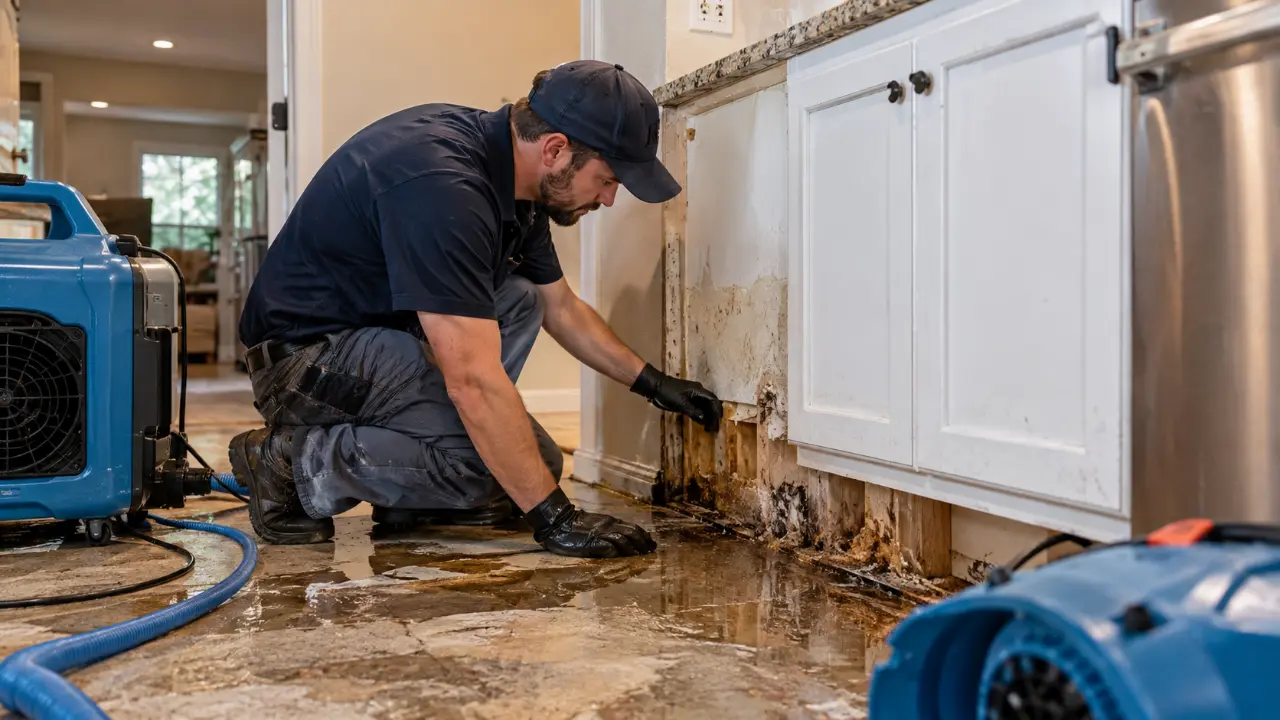
Emergency Water Extraction
Standing water feeds damage and creates damp materials that can support mold growth. Our extraction work removes water from floors and accessible areas before remediation begins. In a Milwaukee basement, fast extraction after a pipe break or stormwater entry reduces how far water spreads into carpet padding and lower wall sections.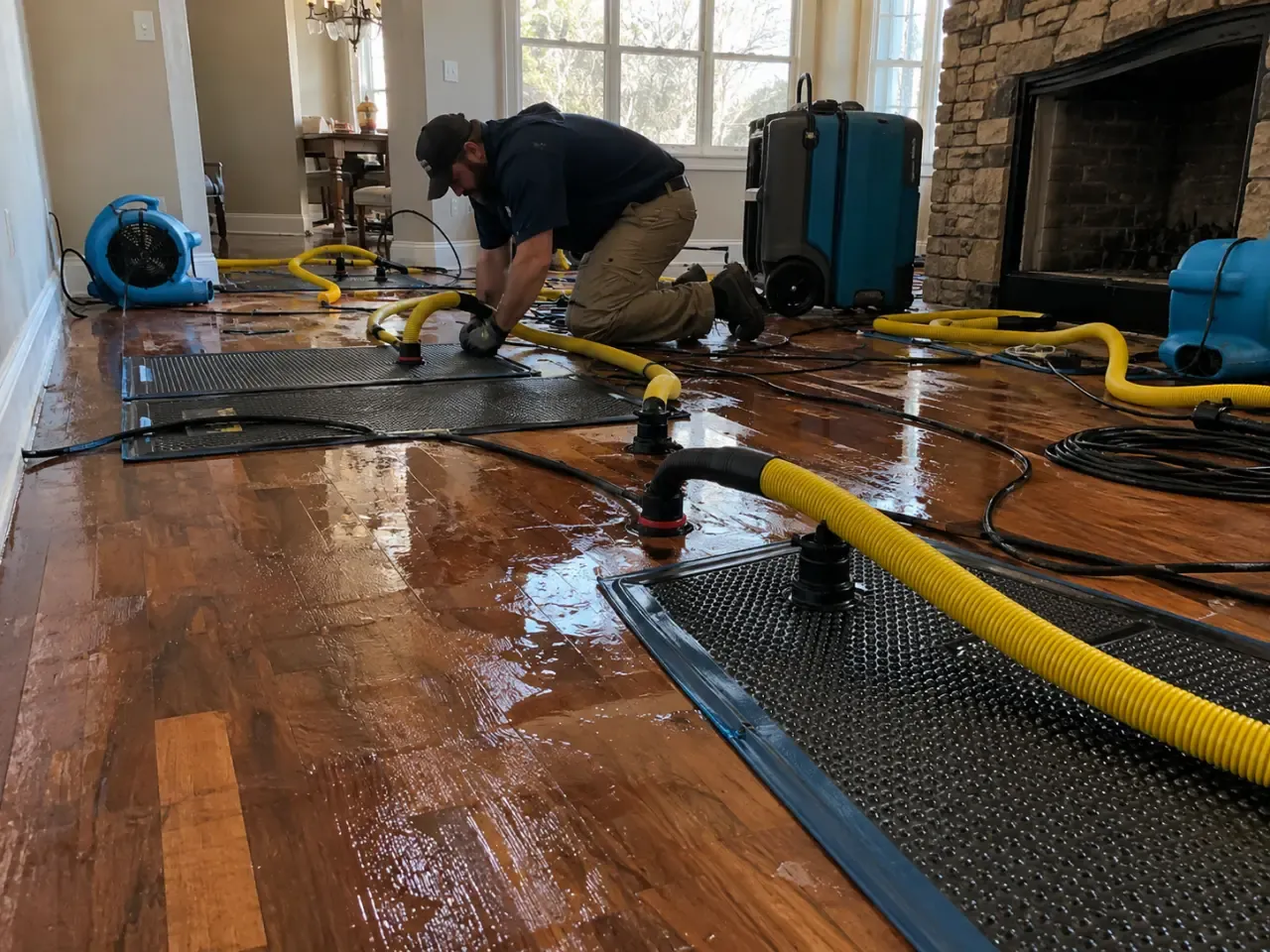
Water Damage Cleanup
Water damage cleanup removes water-affected debris and prepares surfaces for drying or mold treatment. We connect the cleanup to moisture checks, so you can see whether a damp wall or floor needs further work. This service is useful after appliance leaks, roof intrusion, and burst pipes that leave materials wet but not visibly flooded.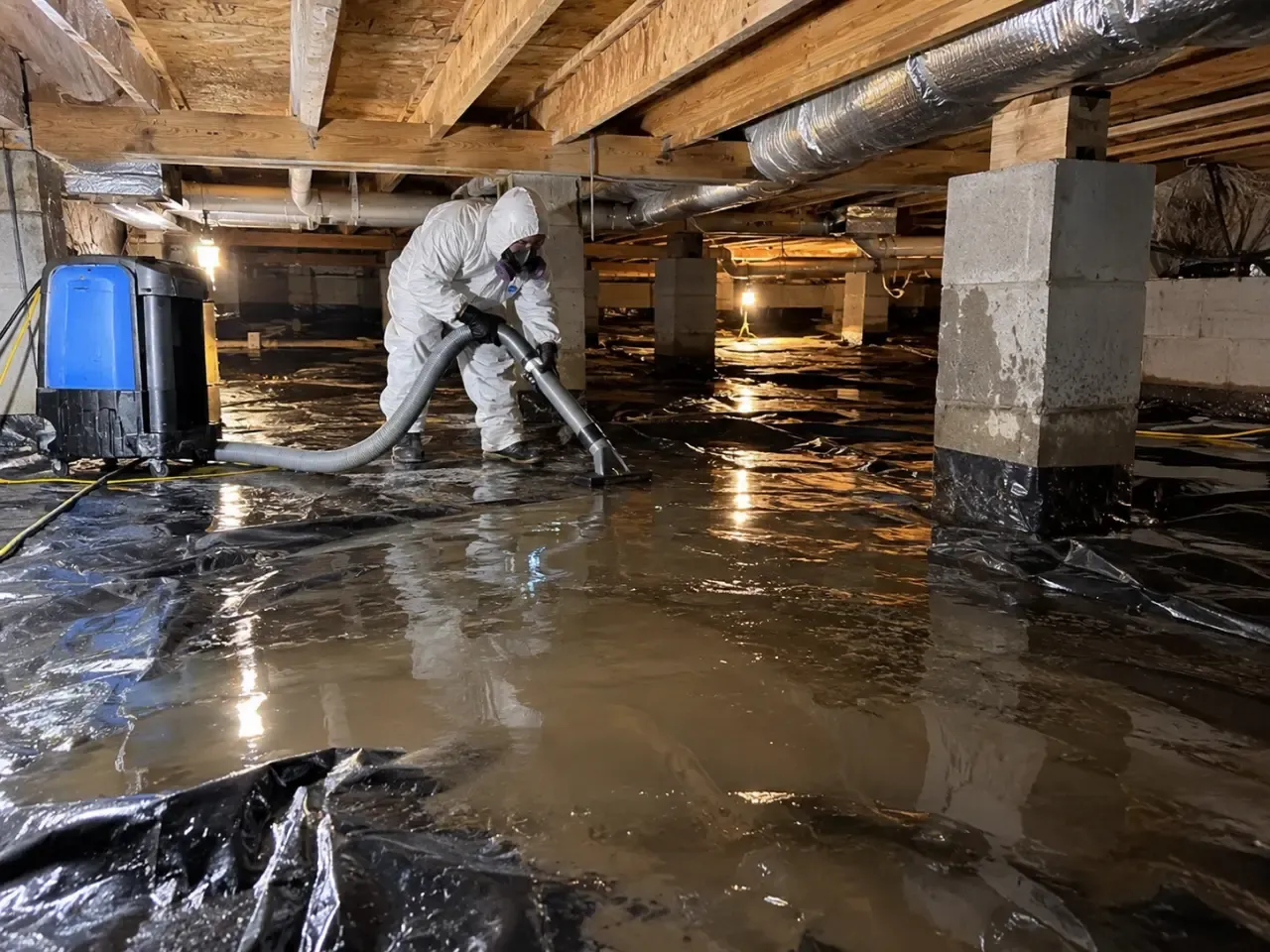
Basement Water Removal
Basement water removal clears standing water after seepage, sump pump failure, or heavy rain. Removing water is the first step; affected drywall, insulation, and stored materials still need assessment. We check the basement after extraction to identify remaining damp areas that could otherwise lead to musty odors or mold growth.Ready when you are
Get Mold Remediation Milwaukee WI Started
A damp wall or persistent musty smell deserves a clear next step. Call Milwaukee Water Pros at (414) 567-3006 to discuss the affected area and arrange an inspection. We provide upfront pricing before the work begins.
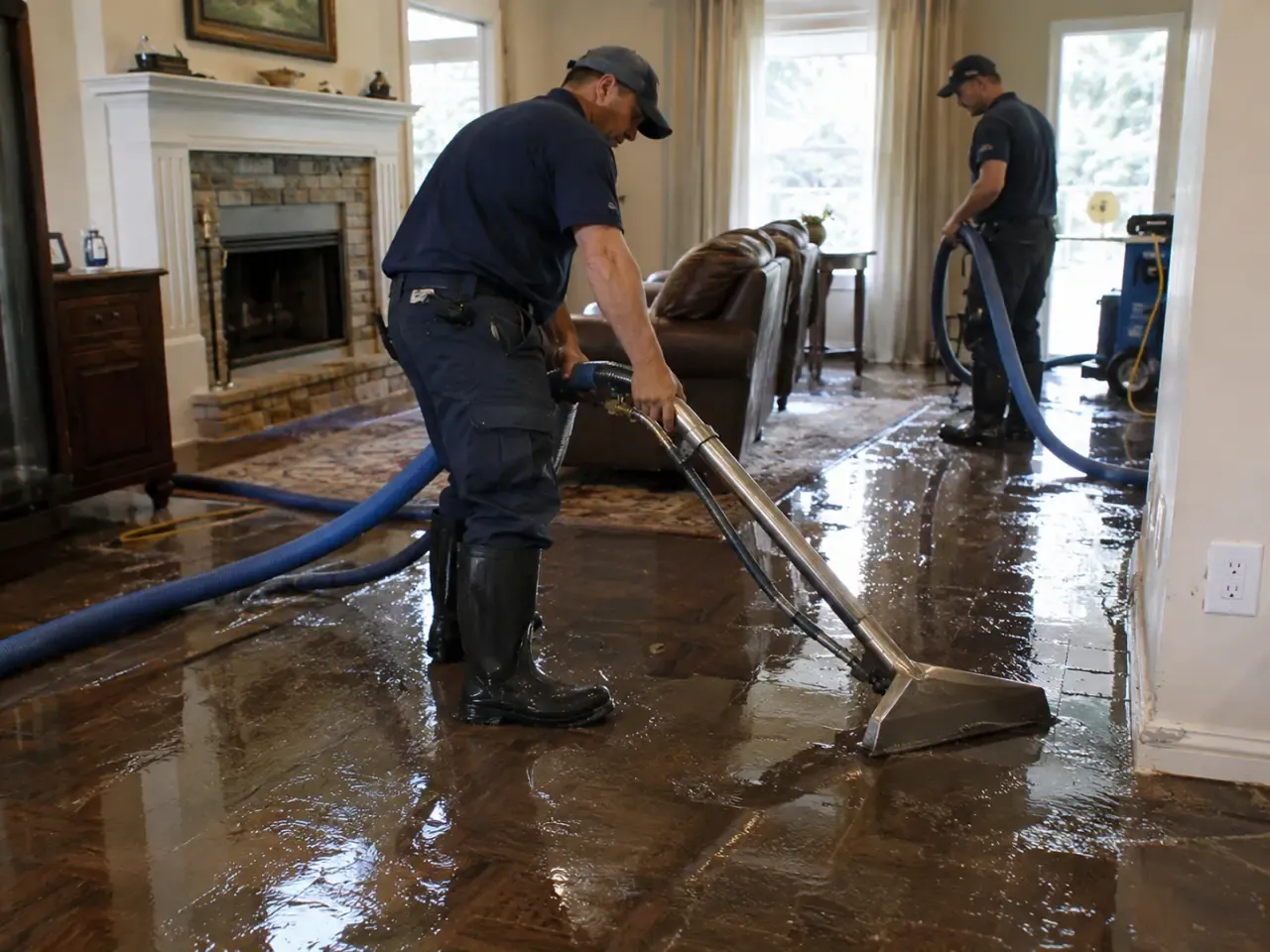
Talk with the local team
Request Mold Remediation
Call Milwaukee Water Pros at (414) 567-3006 for emergency water mitigation, basement flooding, sewage backup cleanup, or a leak that has spread beyond its source. We take emergency calls 24/7 and will ask where the water is, what caused it, and whether anyone is at risk. Our service area includes Milwaukee County and neighborhoods such as Bay View, Riverwest, and Washington Heights.